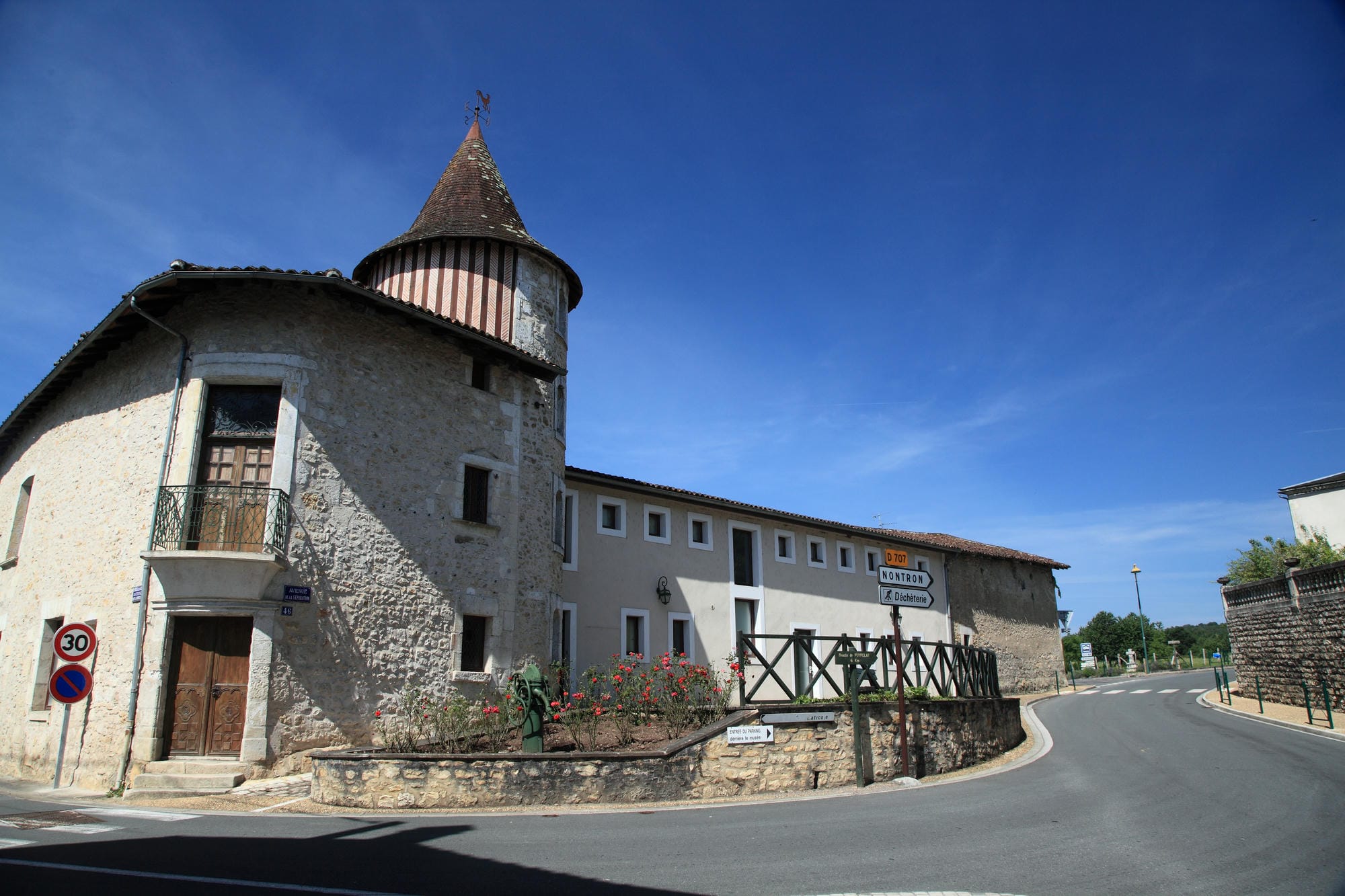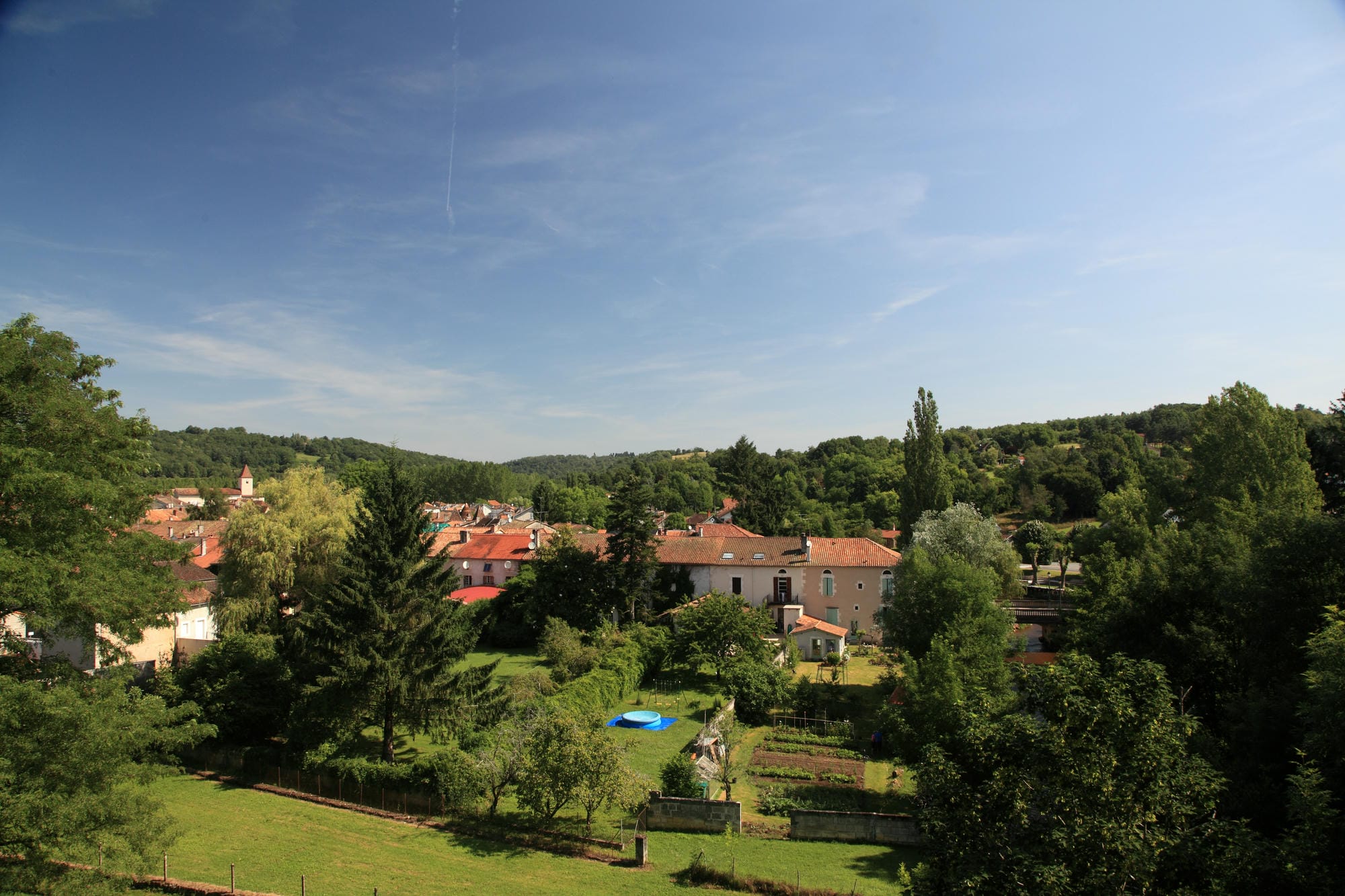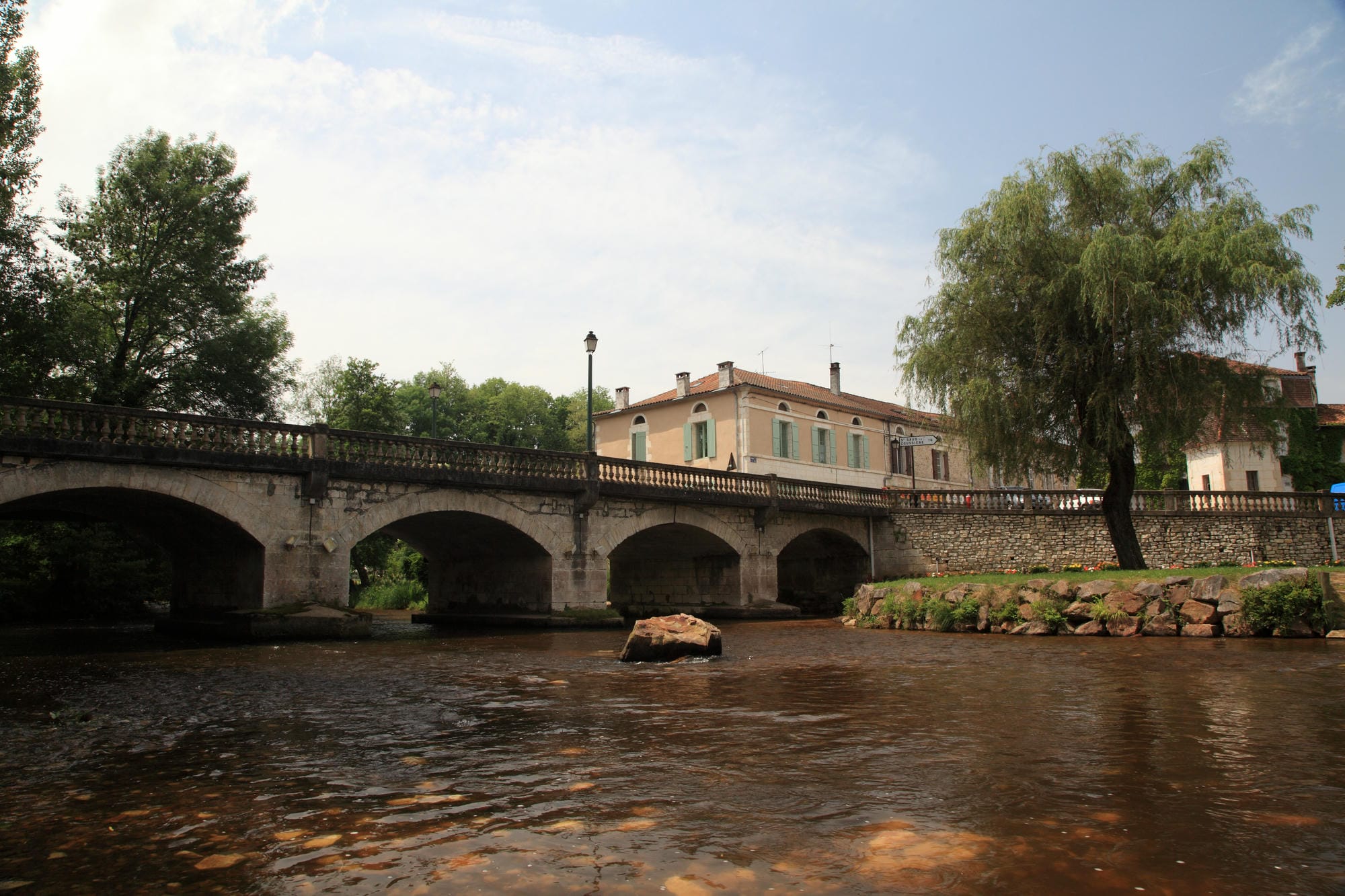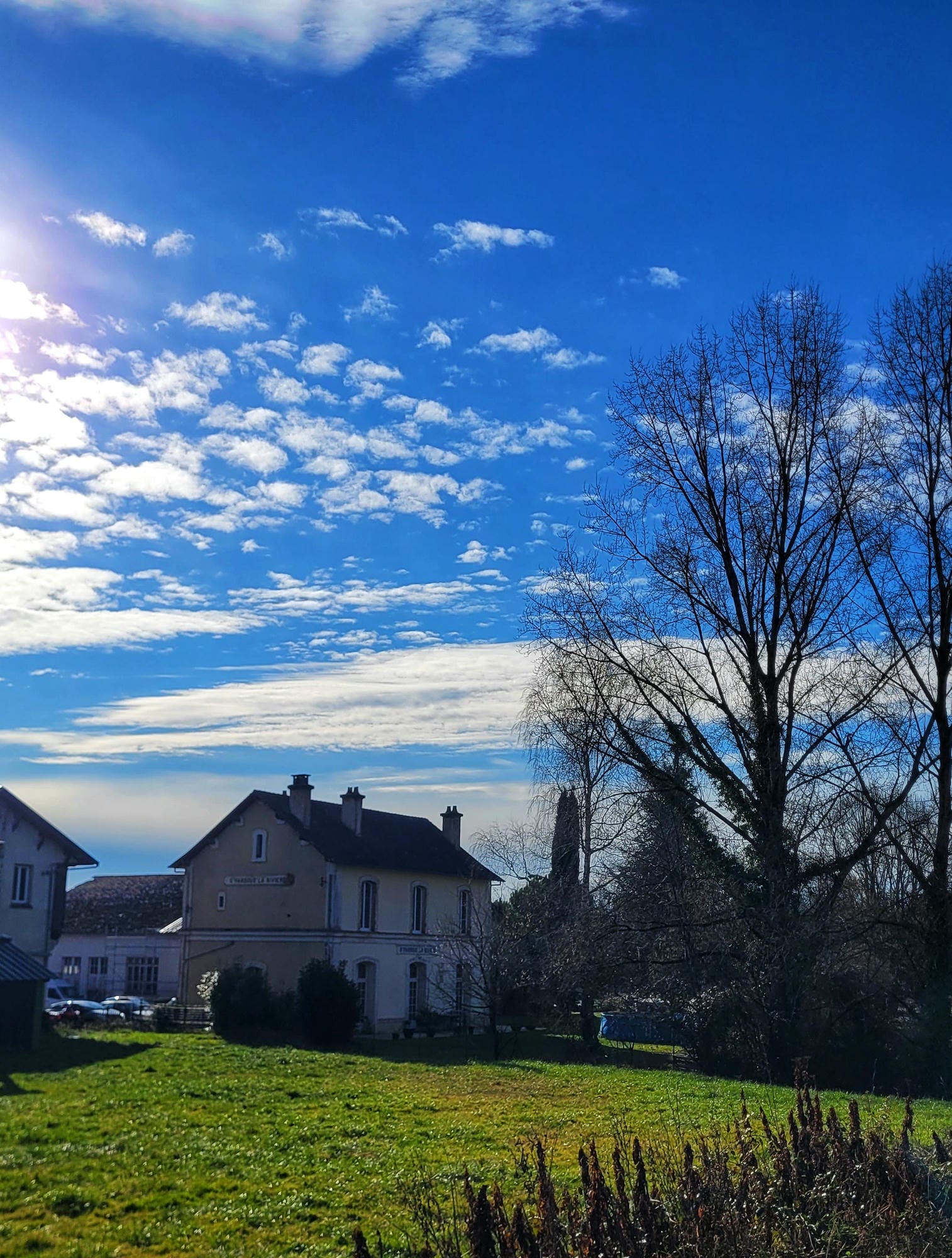


Just 8 kilometres from Château le Verdoyer, the charming village of Saint-Pardoux-la-Rivière invites you to discover its fascinating history and lush green landscapes. Nestled in a basin 150 metres above sea level, at the foot of the Limousin plateau’s last wooded slopes, this authentic market town stretches out on both sides of the Dronne river, which here abandons its torrential nature to flow peacefully through the valley.
Located at the crossroads of Limousin, Périgord, and Bordelais, Saint-Pardoux-la-Rivière was once a strategic ford used by pilgrims travelling to the Brantôme Abbey. Even today, the village retains traces of this rich past, inviting visitors on a journey through time.
An Eventful History
Medieval Origins
The history of Saint-Pardoux-la-Rivière dates back to the 13th century, long before the construction of its fortress, a Frankish citadel of which only a few retaining walls of the plateau remain today. The village owes its name to Saint Pardoux, a figure born in 657 in Sardan in the Diocese of Limoges, who became the director of the Guéret Monastery until his death.
In 1490, at the request of Jeanne de Guyenne, Prioress of the Convent, King Charles VII granted Saint-Pardoux-la-Rivière the right to hold a market every Thursday, a tradition that continues to this day. In 1581, the town attained the rank of barony.
The Dominican Convent: An Indelible Mark
The importance of Saint-Pardoux-la-Rivière was significantly reinforced at the end of the 13th century by the founding of a Dominican convent. This extraordinary initiative was undertaken by Marguerite de Bourgogne, Viscountess of Limoges, nicknamed “Marguerite the Enraged” due to her intransigence and cruelty.
To atone for her sins, the Viscountess had the monastery built on her lands. On May 20, 1293, Fine d’Aragon, the first Prioress, took possession accompanied by six Dominican nuns from the Prouille Monastery, the birthplace of the order. Over six centuries, forty-two prioresses succeeded one another, and the convent became a source of prosperity for the village, whose inhabitants affectionately referred to the nuns as “our ladies.”
During the French Revolution, the convent was abandoned and sold to Sieur Planchas-Lavalette, who leased it to the department to turn it into a women’s prison. After the release of the last prisoners, the abandoned buildings were looted by the villagers for the construction of their homes. Part of the cloister was even moved to a house in the town in 1808, and the convent church was demolished in 1830.
A Flourishing Economy
The village once boasted seven mills, including one oil mill on the Dronne. The population consisted of small bourgeoisie, merchants, surgeons, and farmers, as well as artisans of various trades: carpenters, stonemasons, joiners, farriers, spurriers, clog makers, weavers, quarrymen, and arquebusiers. The peasants cultivated cereals in the rich valley soil, harvested walnuts for oil, and raised livestock.
Heritage to Discover
The Saint-Pardoux Church and its Sundial
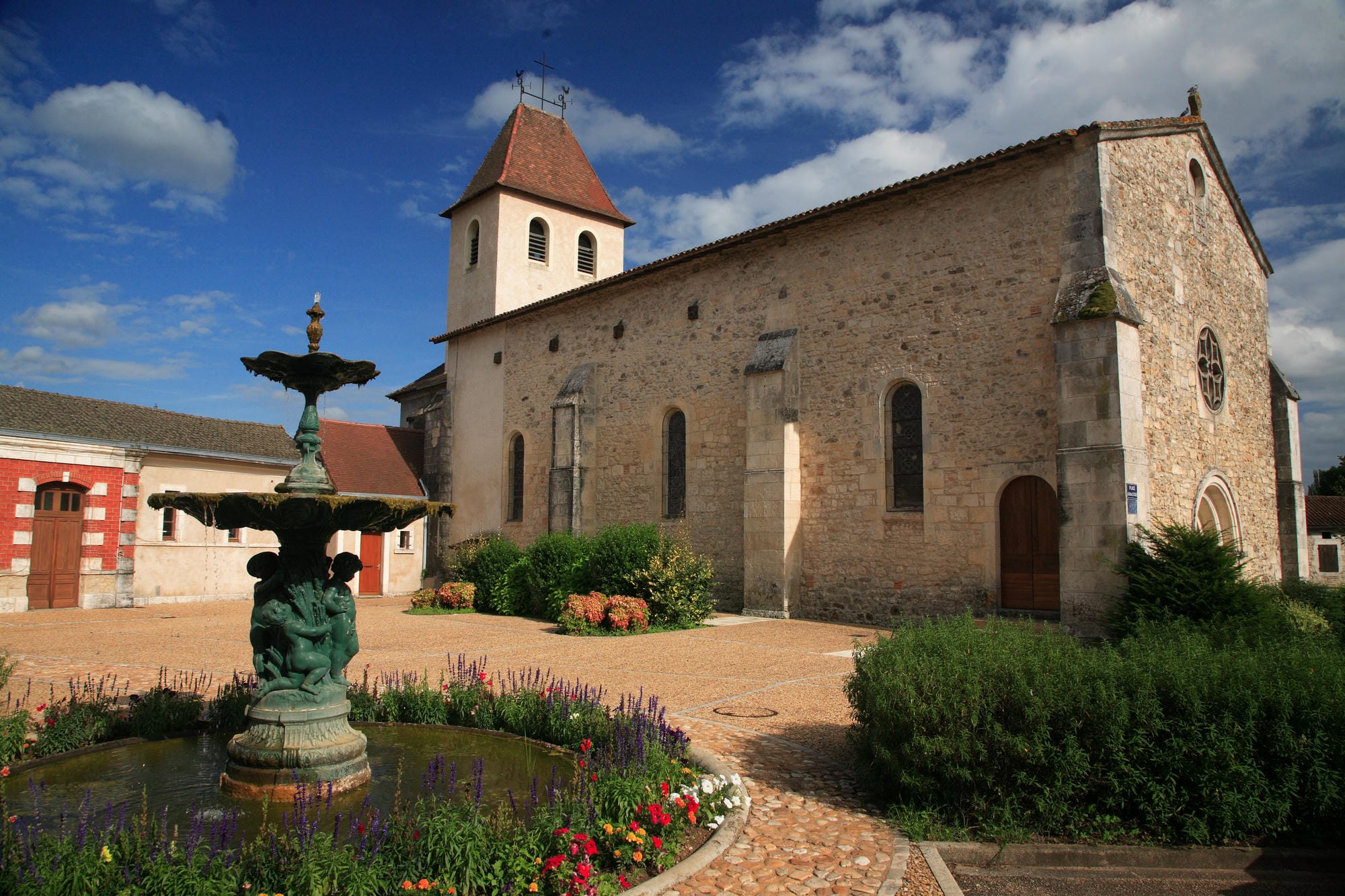
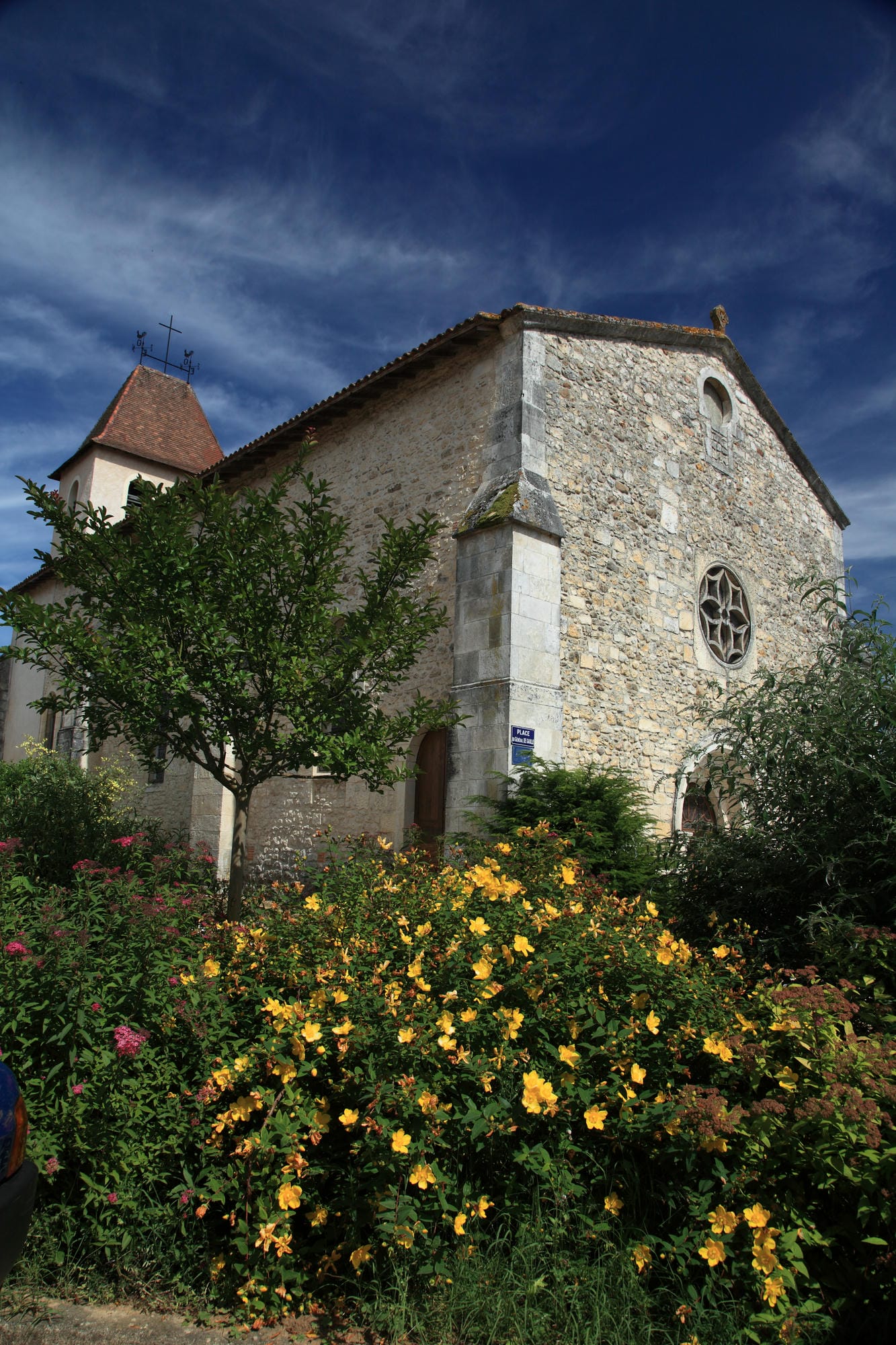
At the heart of the village, on the old Place des Forts, stands the Saint-Pardoux Church, Romanesque in origin and dating back to the 12th century. After numerous pillages and thirty years of abandonment, it was restored in 1599 and dedicated first to Saint Pardoux and then to Saint Bruno.
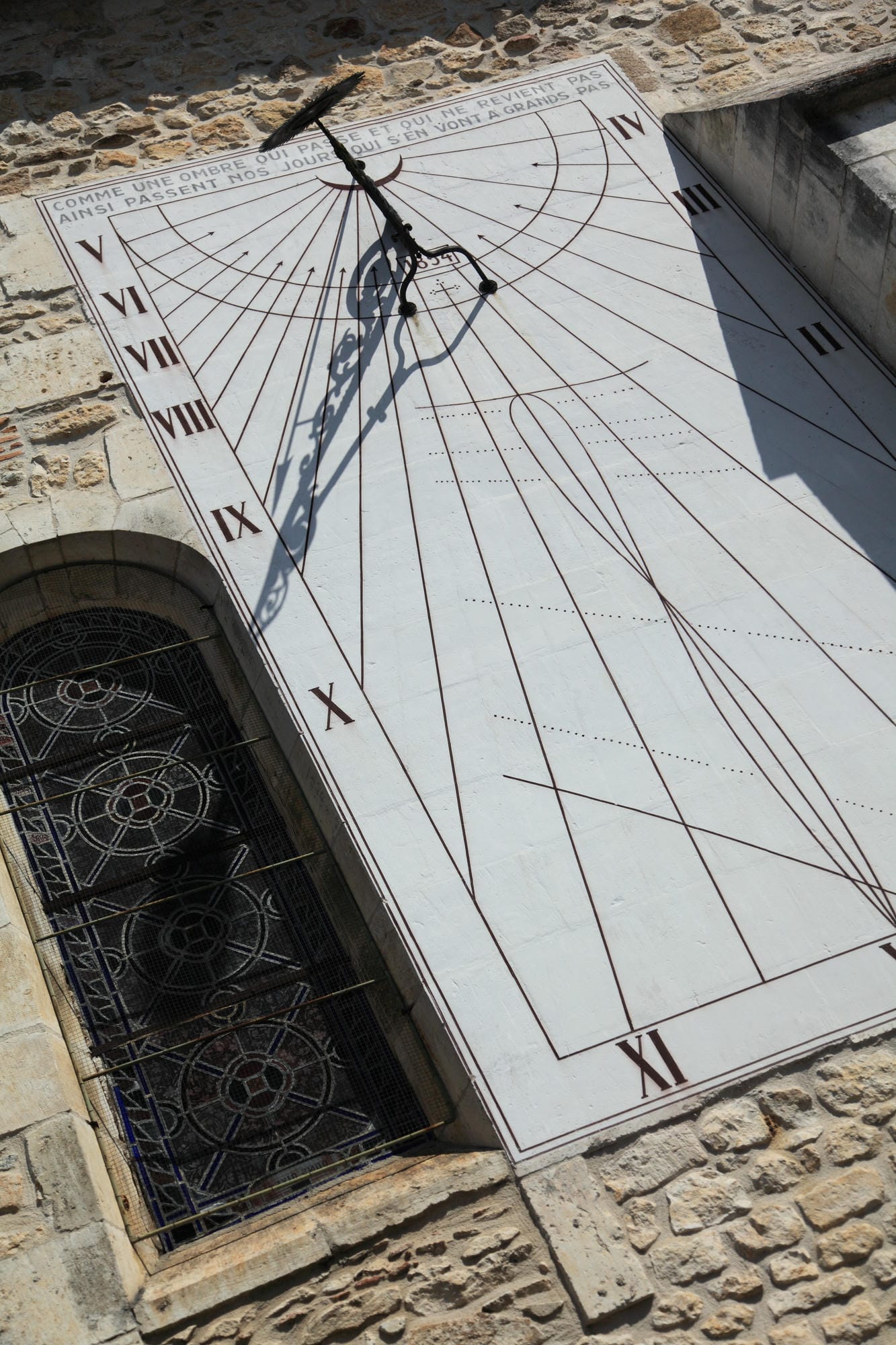
The jewel of this church is undoubtedly its magnificent sundial, created in 1854 on the south facade, accompanied by the poetic inscription: “Like a passing shadow that does not return, so too pass our days that hasten away.” On Place Général de Gaulle surrounding the church, you will also discover a fountain and the 1914-1918 war memorial, listed as a historic monument in 2015, which includes the statue “On ne passe pas” (They shall not pass) by Eugène Piron.
The Wash Houses and the Public Weighbridge
Descending towards the Dronne, you will discover the village’s charming wash houses (lavoirs), one of which is located on the riverbank where you can enjoy a picnic. A second wash house is near the village hall. Also, be sure not to miss the public weighbridge (poids public) dating from 1898, an architectural monument located in the centre of the commune.
The Museum of Old Postcards
Saint-Pardoux-la-Rivière was home to a little-known treasure: the Museum of Old Postcards of Périgord, unique in France. Founded in 1994 by Henri Brives, a heritage enthusiast, this museum displayed some 25,000 to 30,000 old postcards exclusively dedicated to Périgord across 600 m².
Housed in a building dating from 1720, the museum invited visitors to stroll through the various Périgordin cantons, discover the department’s 557 communes, and fondly recall the professions of yesteryear, early advertisements, and publications featuring quaint charm. A true time machine, it closed a few years ago and we hope it will find a new enthusiast to resume this journey through time!
La Voie Verte (Greenway): A Natural Corridor
An Exceptional Route
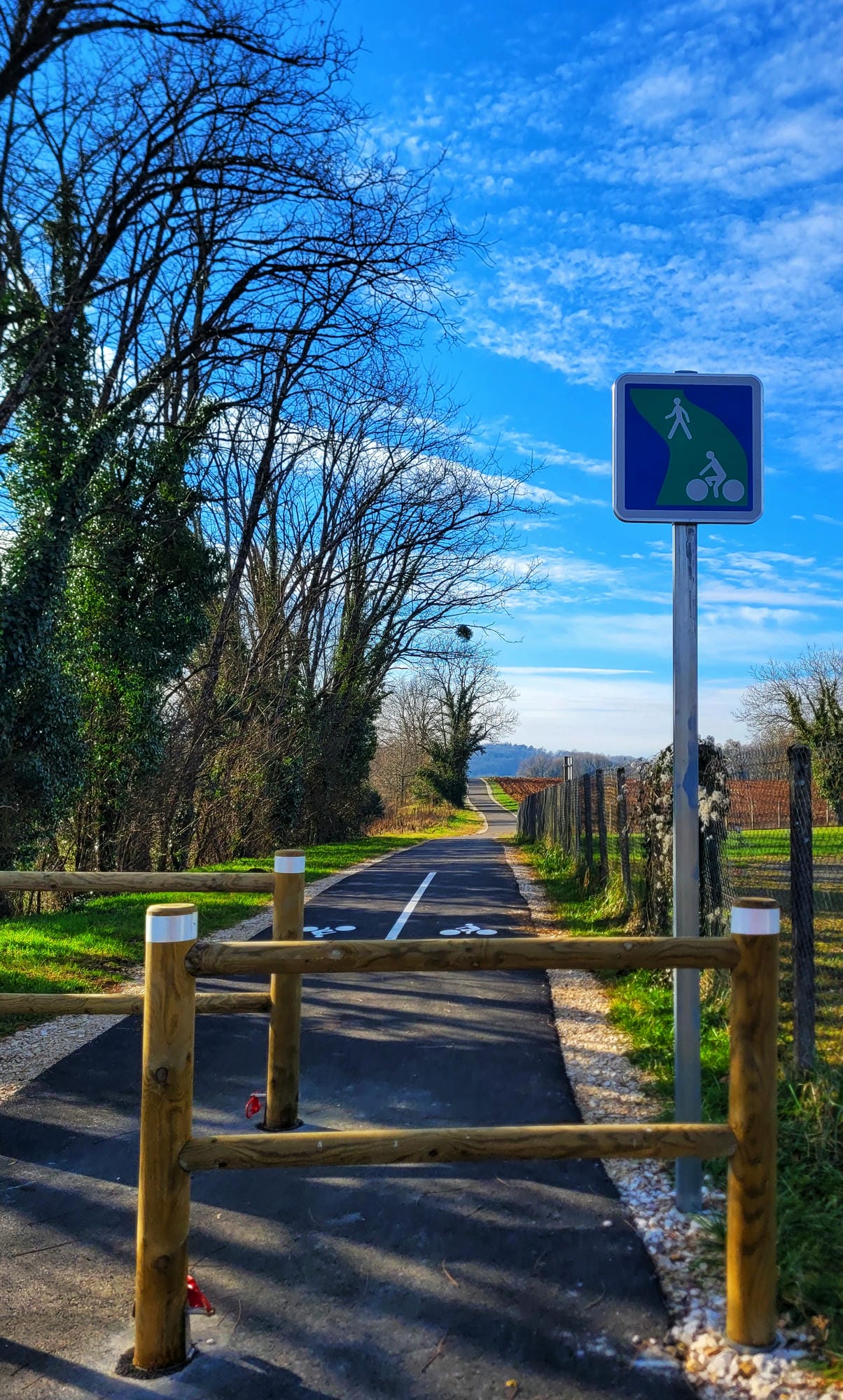
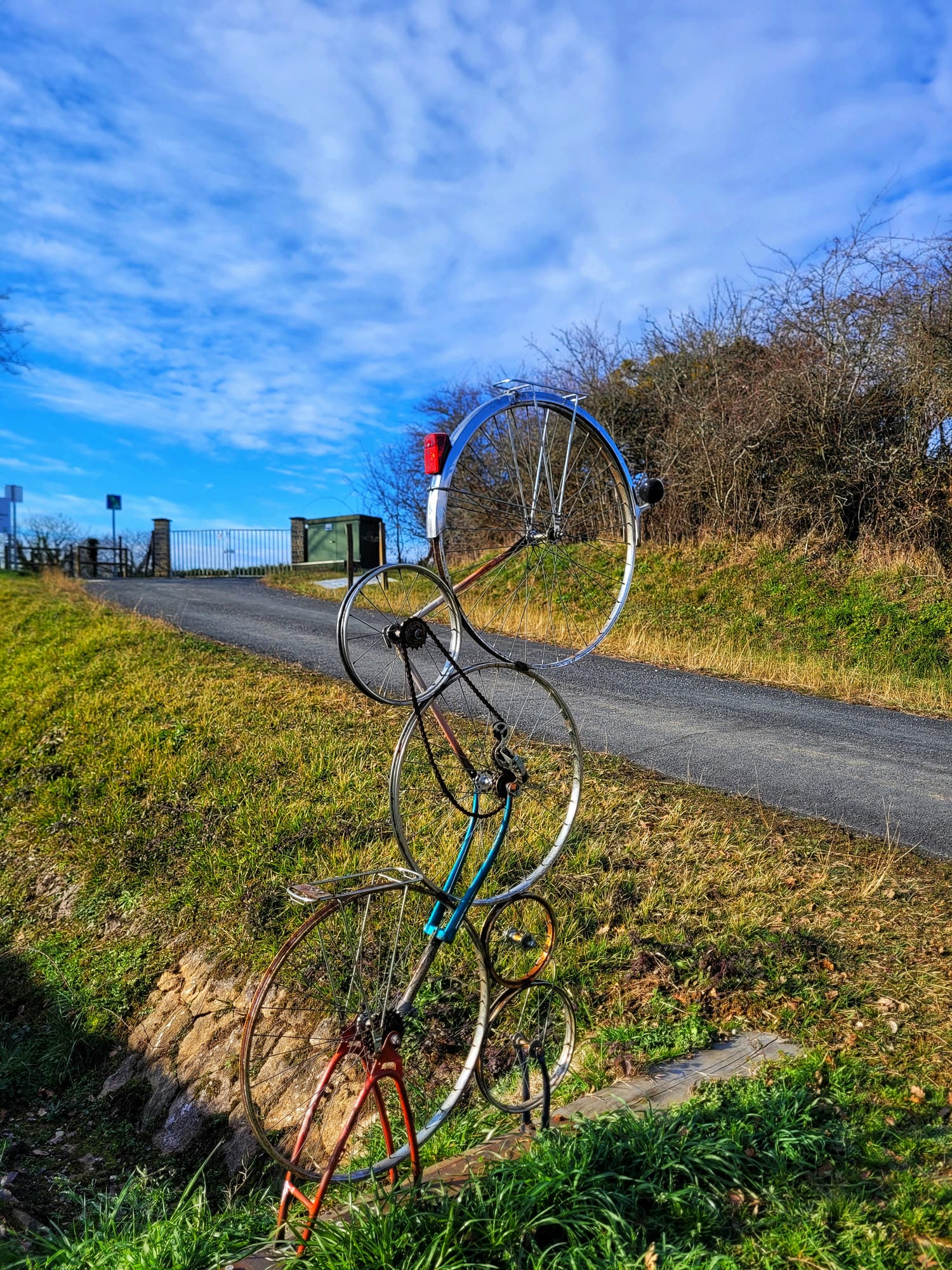
The old Thiviers-Saint-Pardoux railway line, built in 1888 and renamed “La Voie Verte” (The Greenway), has been redeveloped to accommodate hikers, cyclists, and riders. This 16 to 17-kilometre route, featuring stable, easy-rolling sand, crosses the heart of the Green Périgord, offering a safe and shaded outing, ideal for the whole family.
The route follows a genuine green corridor amidst forests of oak, pine, and acacia trees, offering splendid views of the wild valleys of the Côle and the Dronne. Heritage enthusiasts will appreciate the numerous engineering structures that line the route: the Saint-Pardoux viaduct, bridges, footbridges, cattle creeps (boviducs), stations, and level crossing gatehouses.
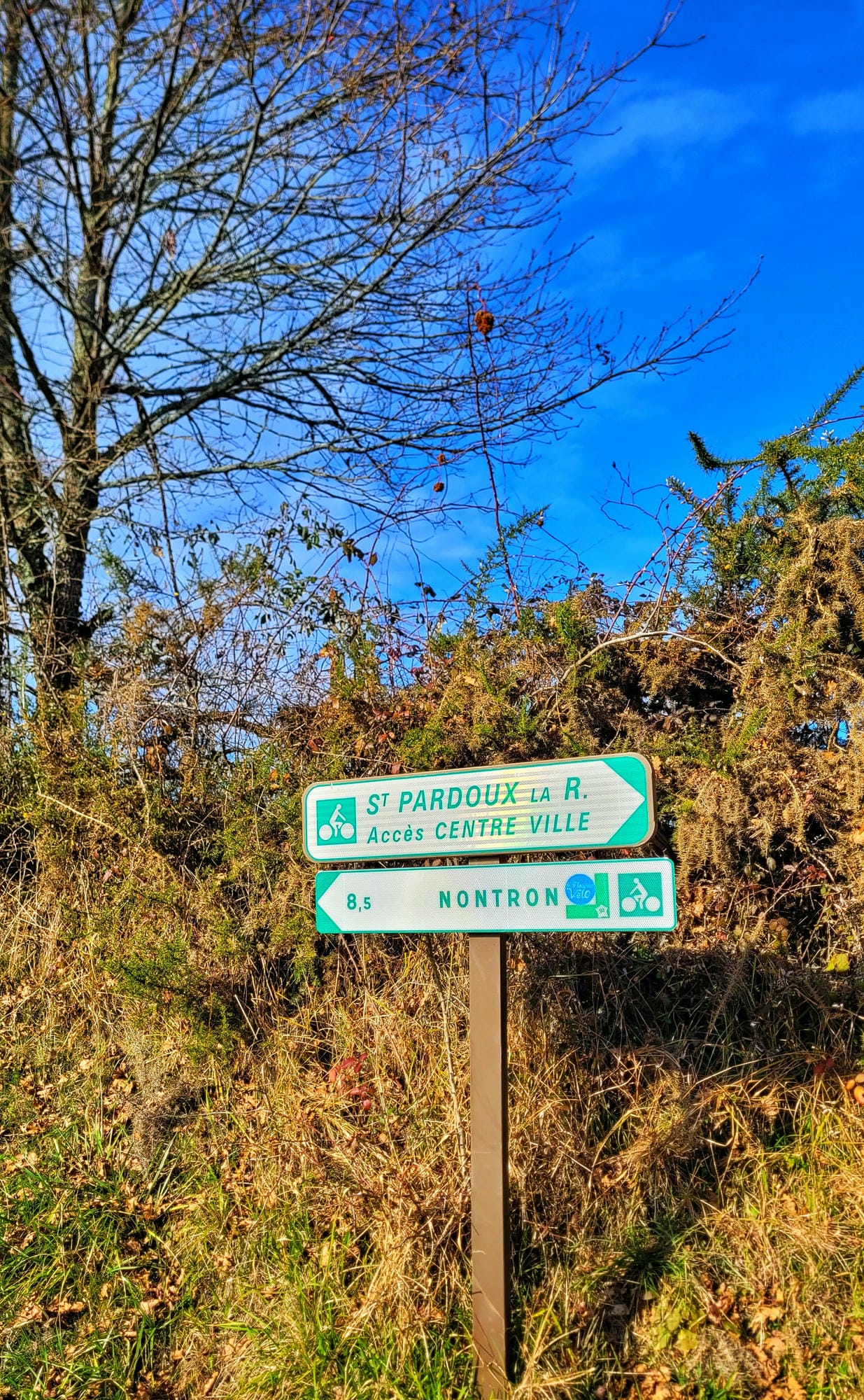
The Flow Vélo Route
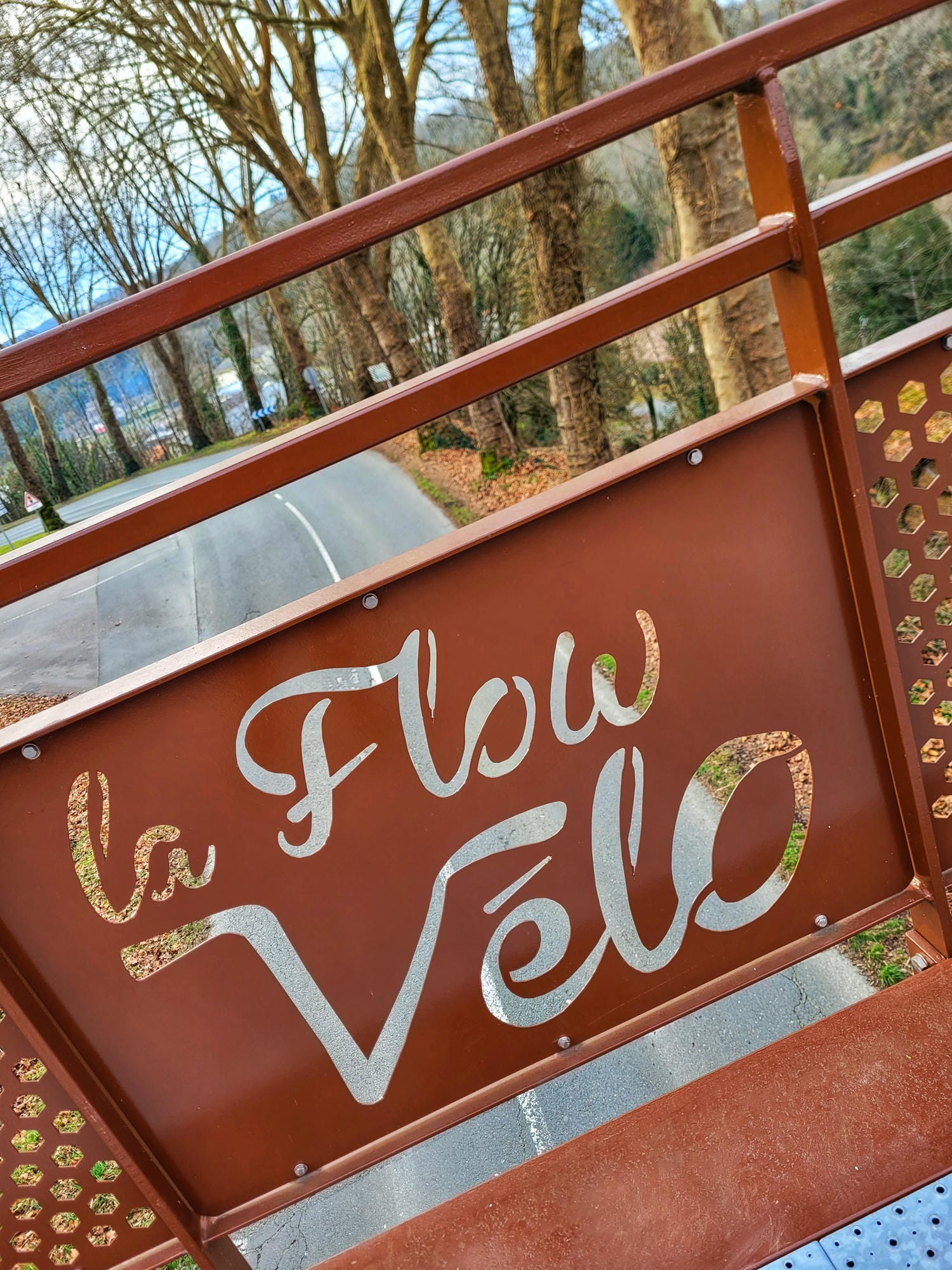
The Voie Verte is part of the national cycle route V92 Flow Vélo, a cycling network that crosses Aquitaine. The route climbs gradually (faux plat) from Saint-Pardoux for about 3 km, crosses a 6 km plateau before descending, and then climbs slightly again up to Thiviers.
Along the way, be sure not to miss Saint-Jean-de-Côle, listed among the Most Beautiful Villages in France, and easily accessible from the Voie Verte. The villages of Saint-Romain, Saint-Clément, Saint-Martin de Fressengeas, and Milhac-de-Nontron will also welcome you charmingly.
La Nuit du Spardos: A Legendary Festival
A Must-Attend Event
Every year, on the last Saturday of July, Saint-Pardoux-la-Rivière comes alive for the Nuit du Spardos, a night market created in July 1997 by the festival committee and the municipality. This bold initiative was rewarded from the very first edition by the presence of 5,000 people, making the event the first night market in Northern Dordogne.
Entry is free, and the festival offers a rich program: a night market, flea market (vide-greniers), concerts, troubadours, and various vendors. Men dressed as monks serve the famous Spardos beverage, the recipe for which is carefully kept secret in old grimoires.
The Legend of the Spardos
The organizing team successfully created a captivating legend around the Spardos, also called “The Night of the Reflection.”
Long ago, on a beautiful July night, the immense structure of the monastery used to reflect upon the waters of the Dronne each year like an immaculate sheet. A grand festival was held around this visual event.
Troubadours, minstrels, and merchants ensured the pilgrims had fun, and the Spardos drink gave everyone the necessary cheer, making women and children want to return every year. Until the day the reflection lookout was distracted and failed to warn with his bell that the magical moment had arrived. As if struck by a curse, the monks deserted the premises forever.
Since that day, every stone came loose, and gorse, ivy, and high forest growth reclaimed their rights, causing parts of the monastery to tumble into the riverbed. The baptism of the Spardos, which takes place at the opening of the festival around 7:30 PM, proclaims the quality of the beverage before its public sale.
A Setting of Preserved Nature
Saint-Pardoux-la-Rivière benefits from an exceptional natural environment. The cool, flowing waters of the Upper Dronne are home to numerous animal and plant species, testifying to the river’s quality. The freshwater pearl mussel, which is particularly abundant, earned the Dronne European recognition with its inclusion in the Natura 2000 network.
Thanks to the European LIFE+ program, two dams were dismantled at the Chamont Tannery, allowing the river to regain its natural dynamic. Trout have returned in large numbers to the town, a clear sign of the water quality.
Numerous walking trails are available starting from the village, notably the Brin viewpoint which offers a splendid panorama of the valley. Maps are available at the tourist office or the town hall.