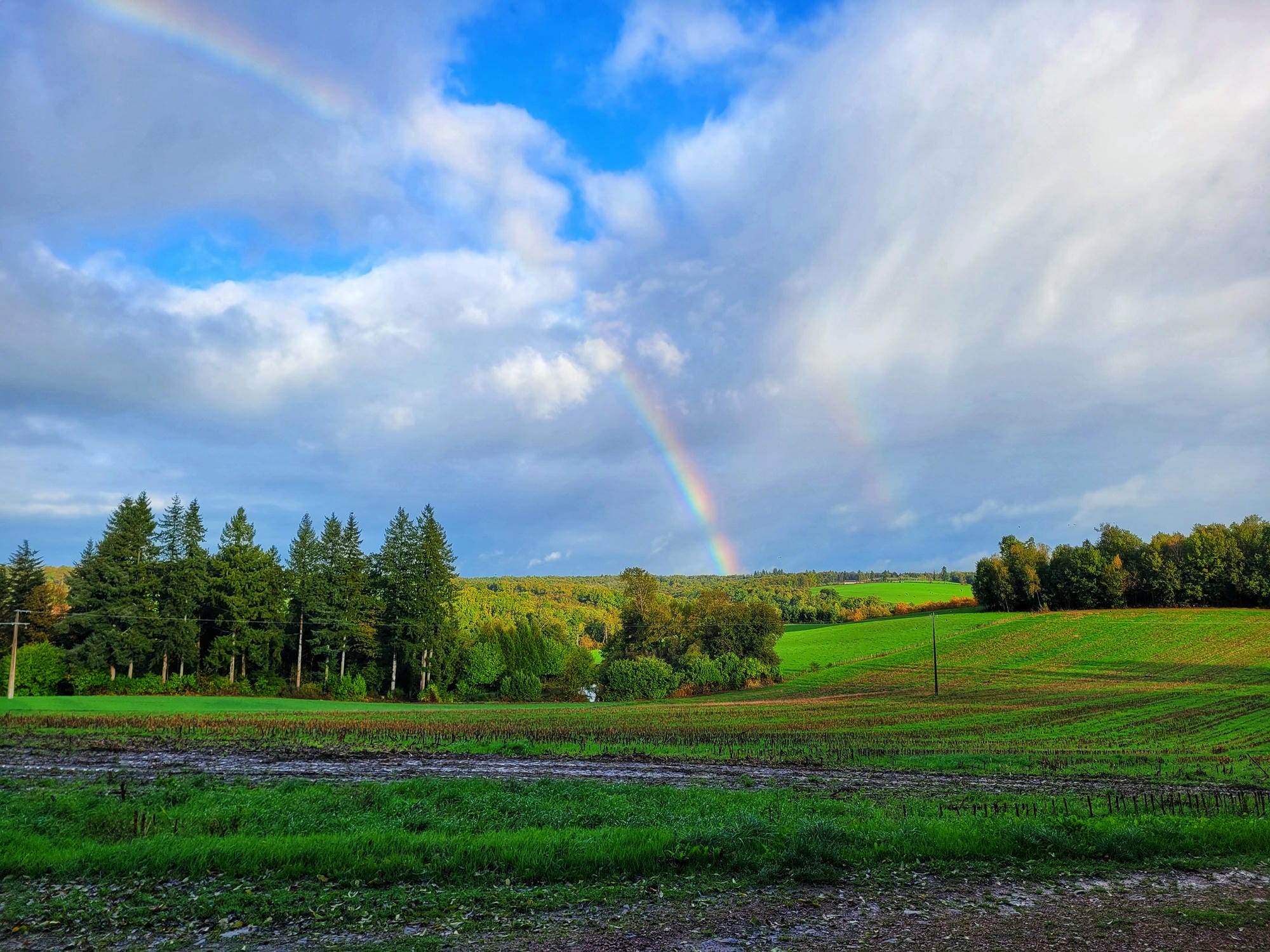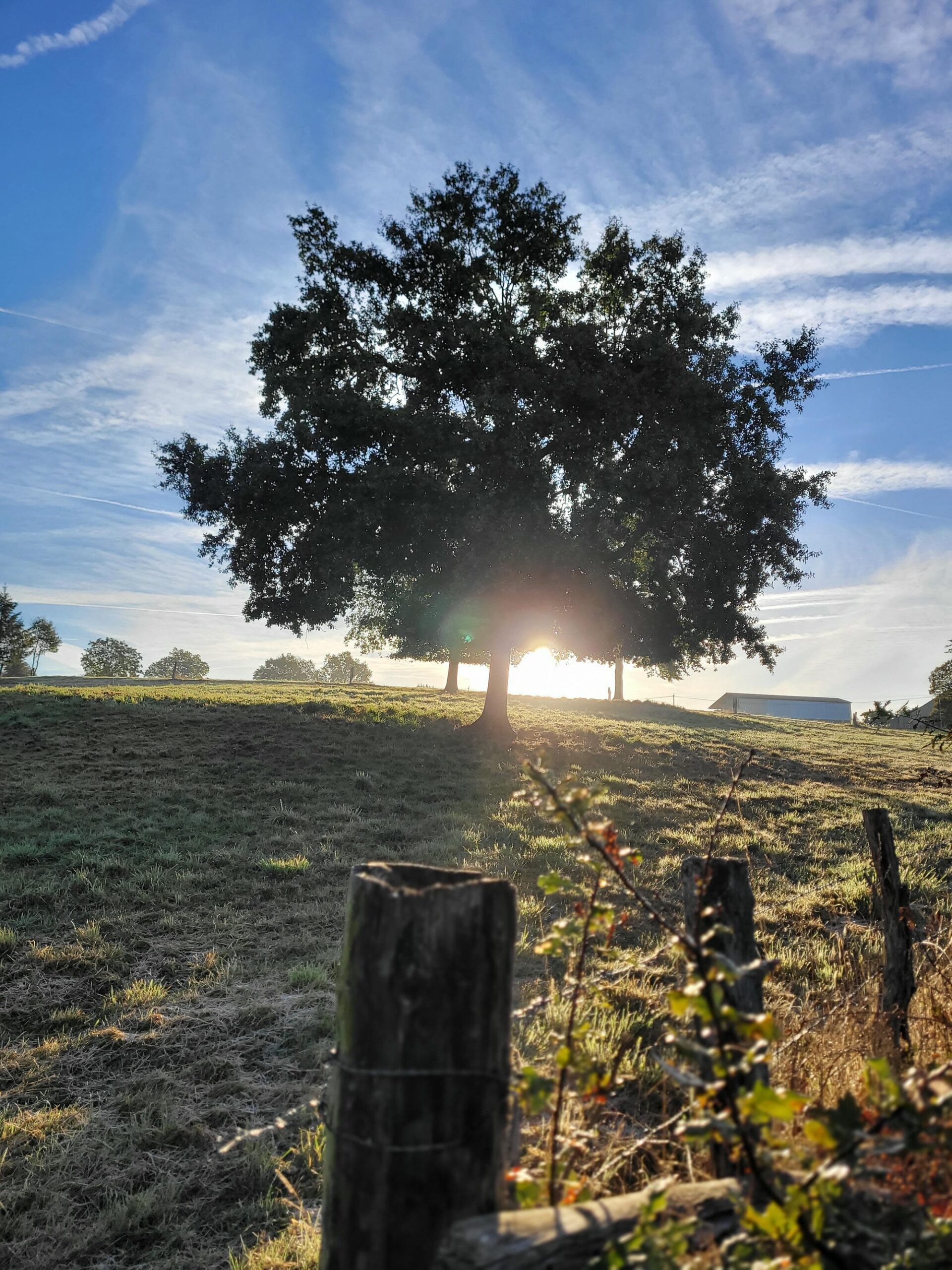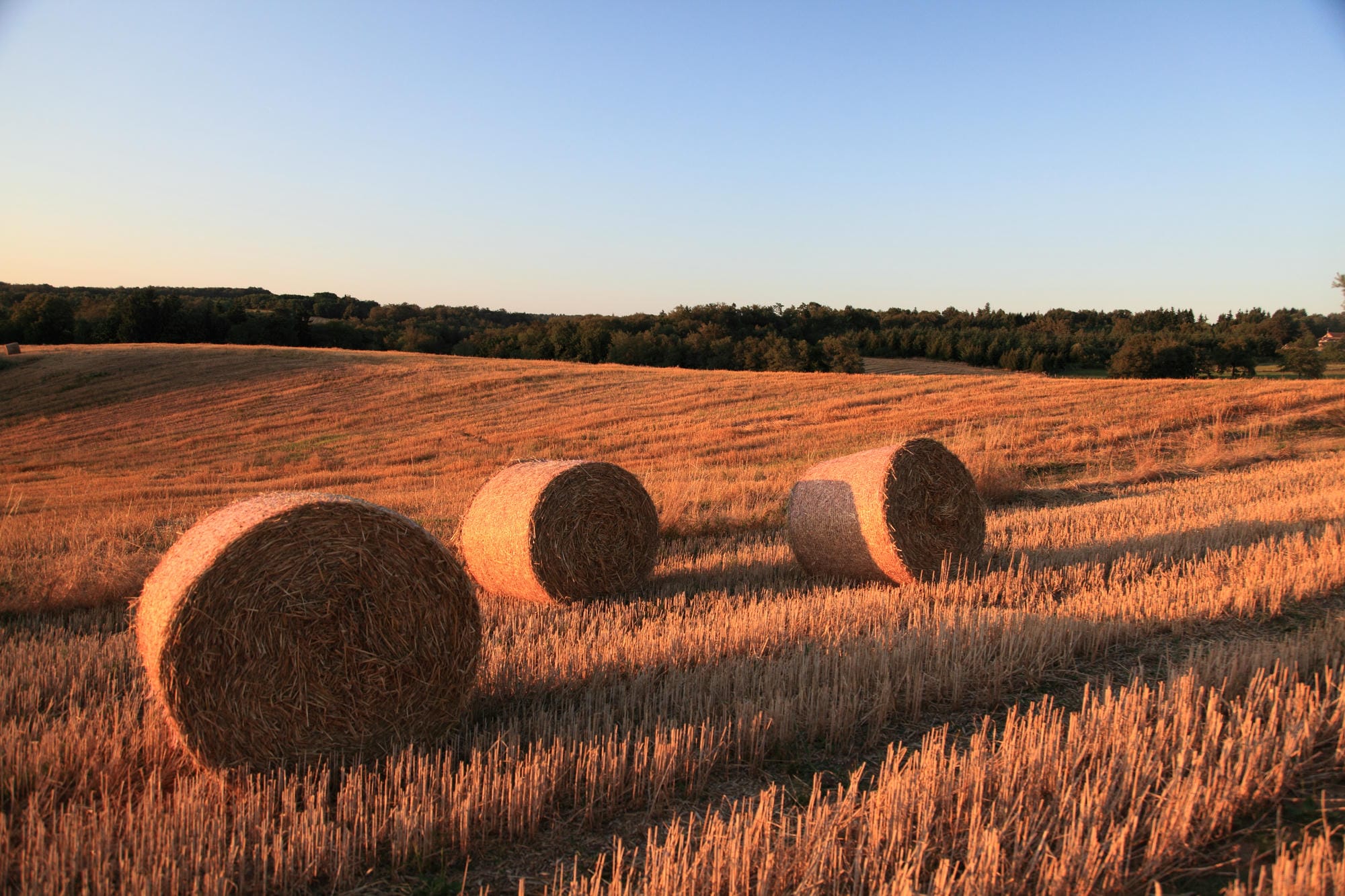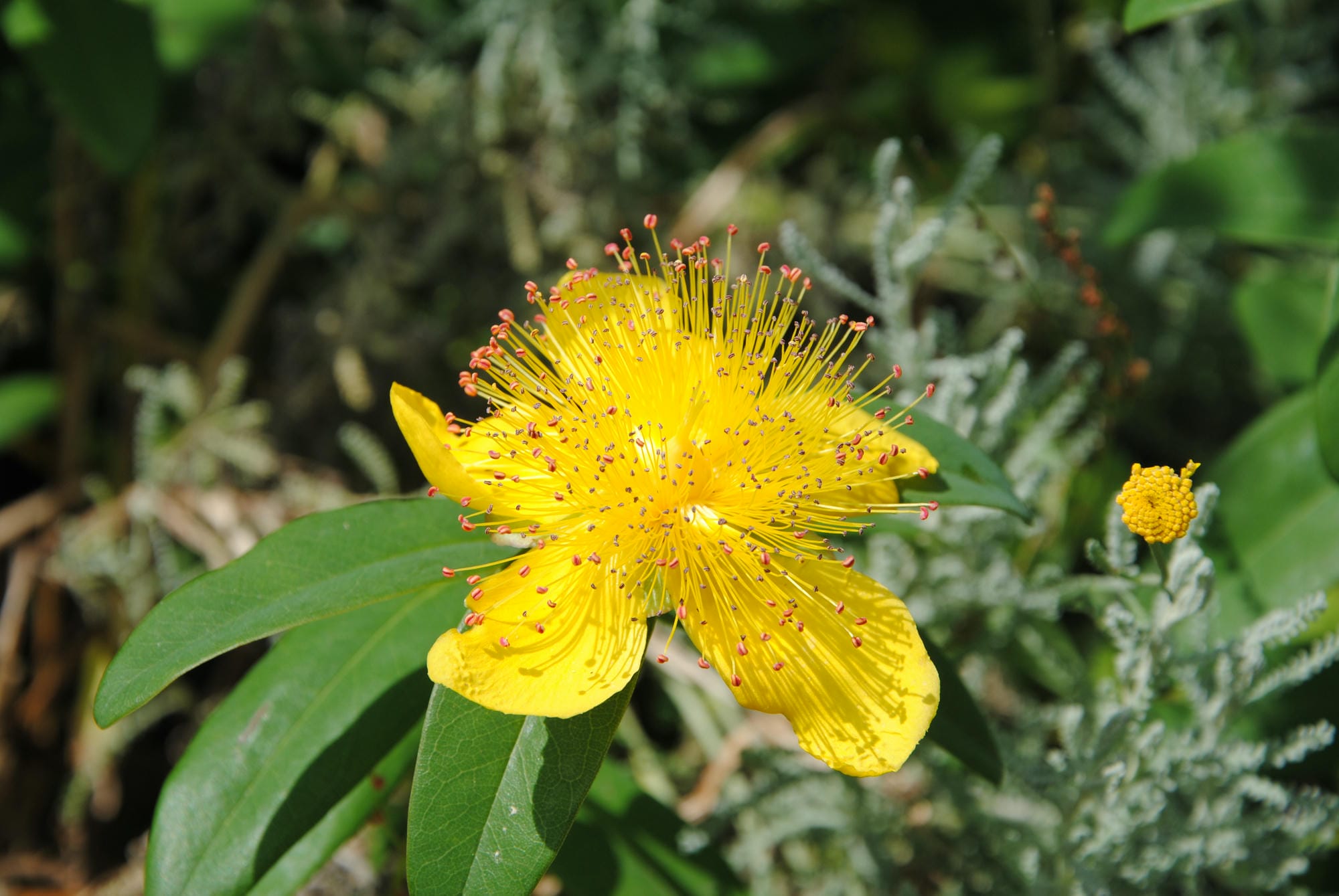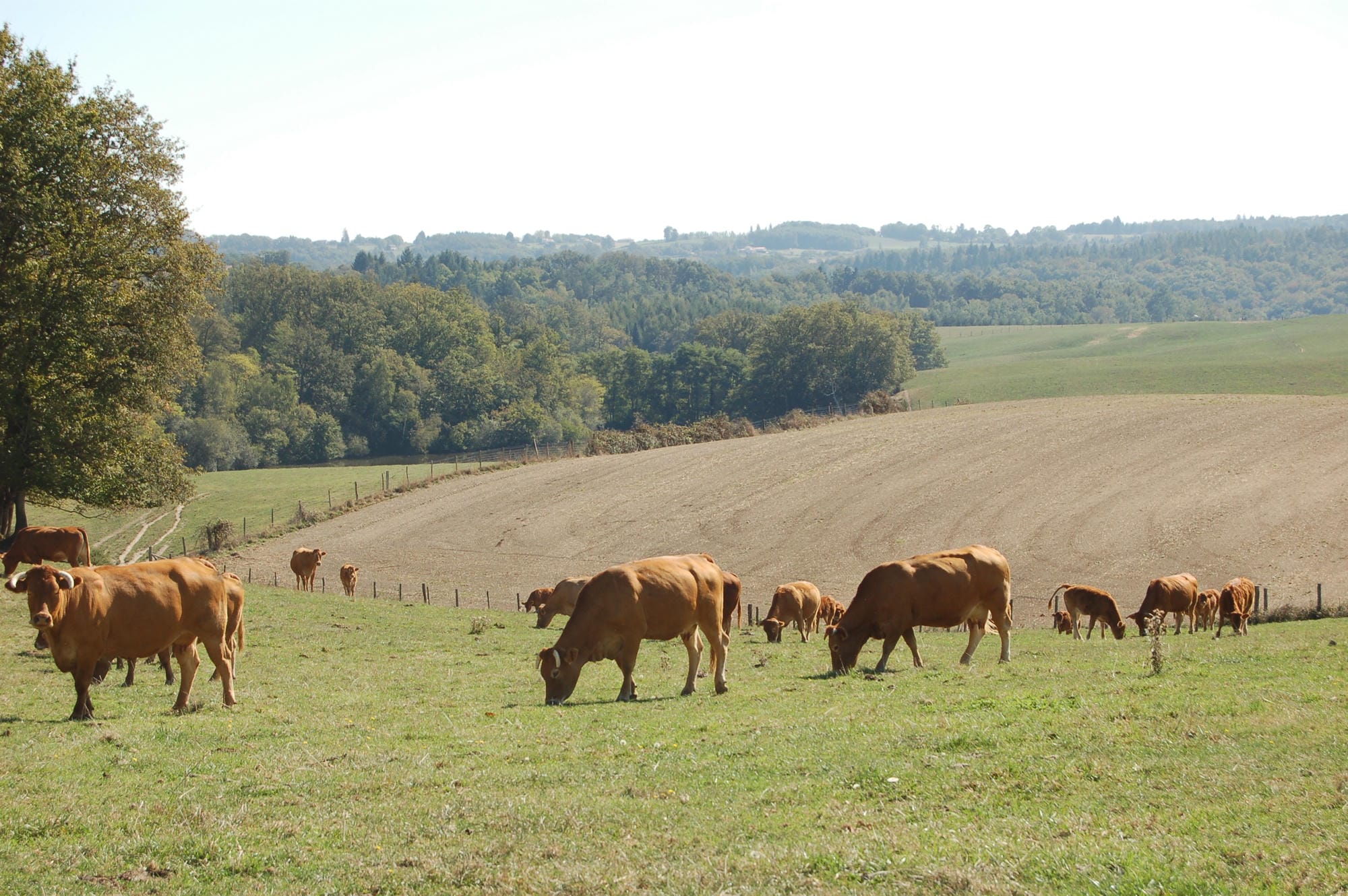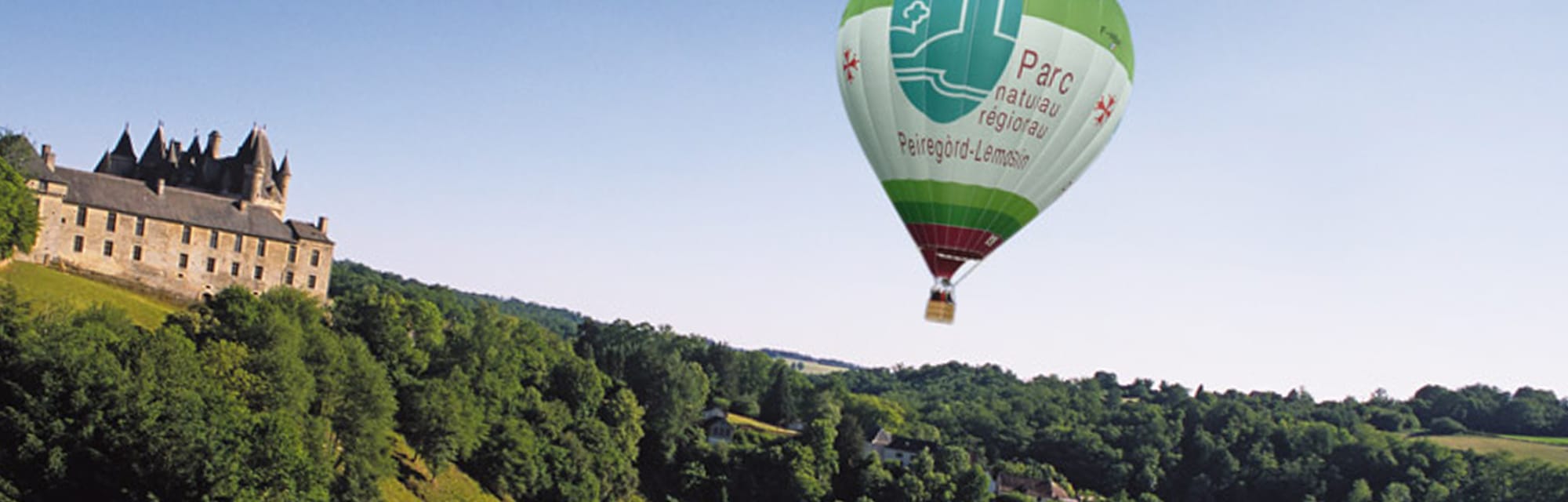


The Périgord-Limousin Regional Natural Park, officially designated on March 9, 1998, and renewed for 12 years on August 24, 2011, represents much more than a simple protected area. It is an identity, a source of appeal, and a hallmark of environmental quality for its residents.
Spanning 1,800 km² and encompassing 74 municipalities distributed between the Dordogne (43 communes) and the Haute-Vienne (31 communes), this exceptional territory invites you to discover its natural and cultural treasures.
An exceptional hiking network
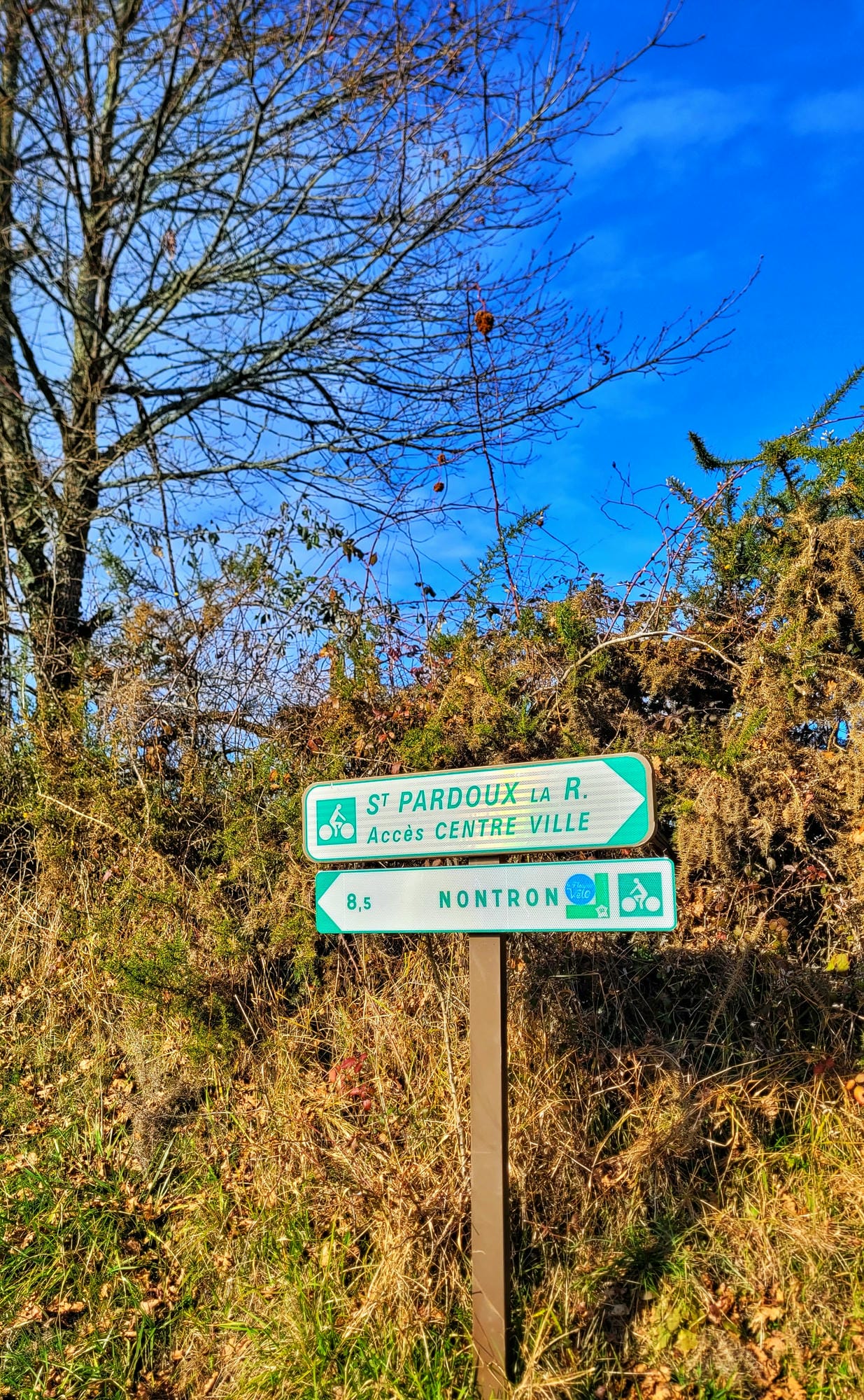
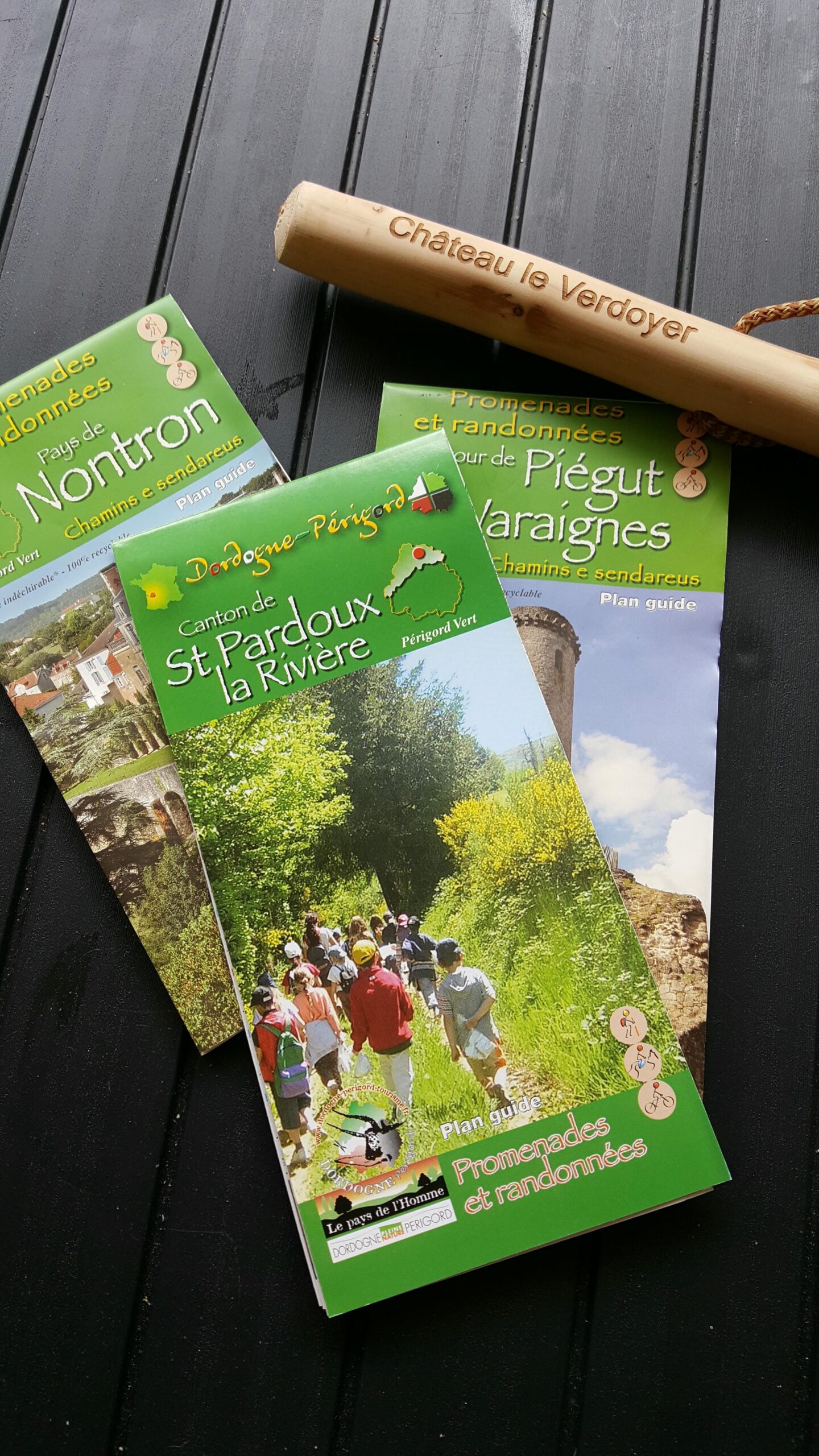
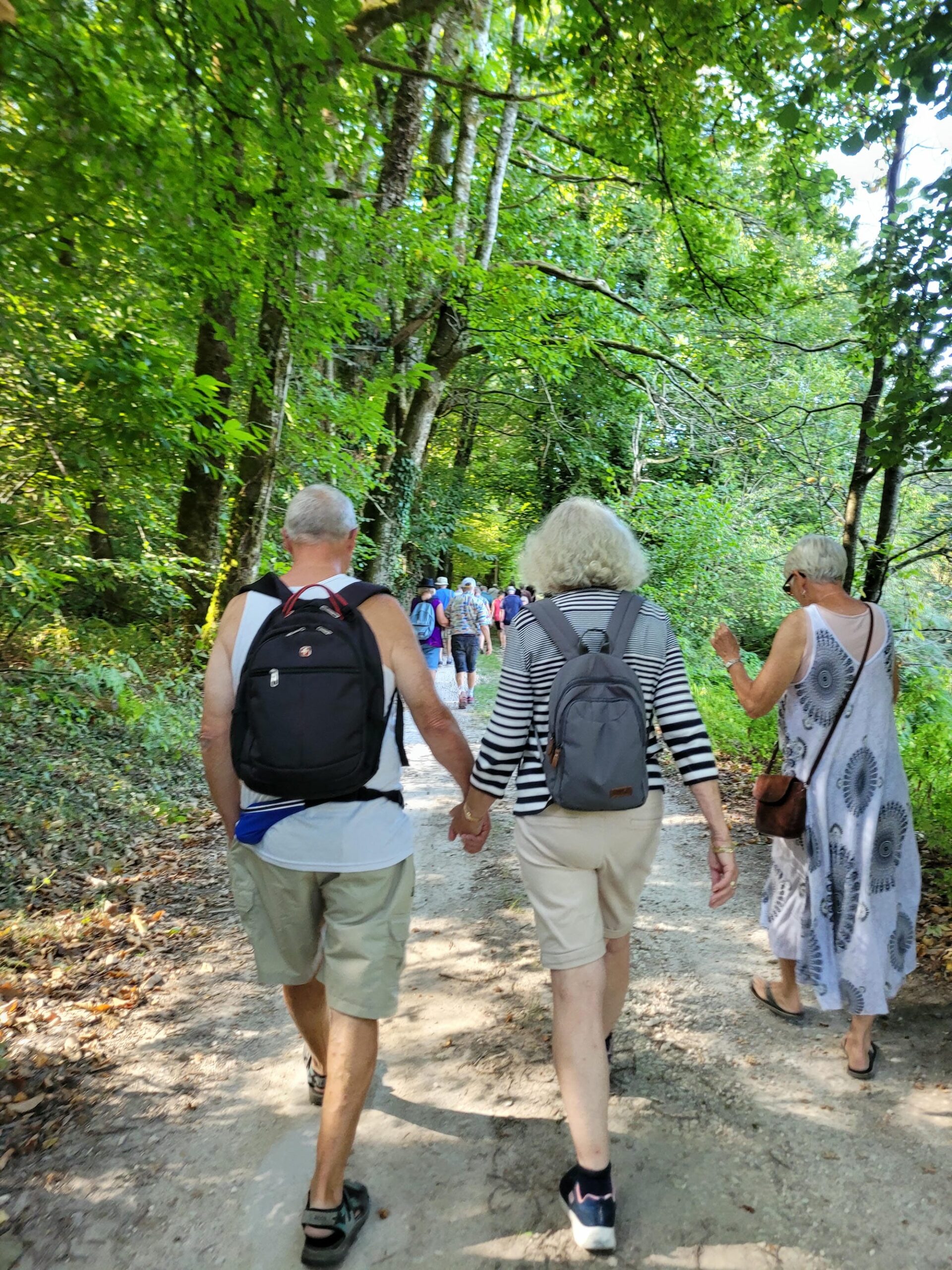
More than 2,000 kilometers of marked trails await you, offering a wonderful way to discover the many facets of the Périgord-Limousin region.
The local landscape is particularly well-suited for all types of hiking and outdoor excursions:
- Hiking
- Horseback riding
- Walks with pack donkeys
- Mountain biking
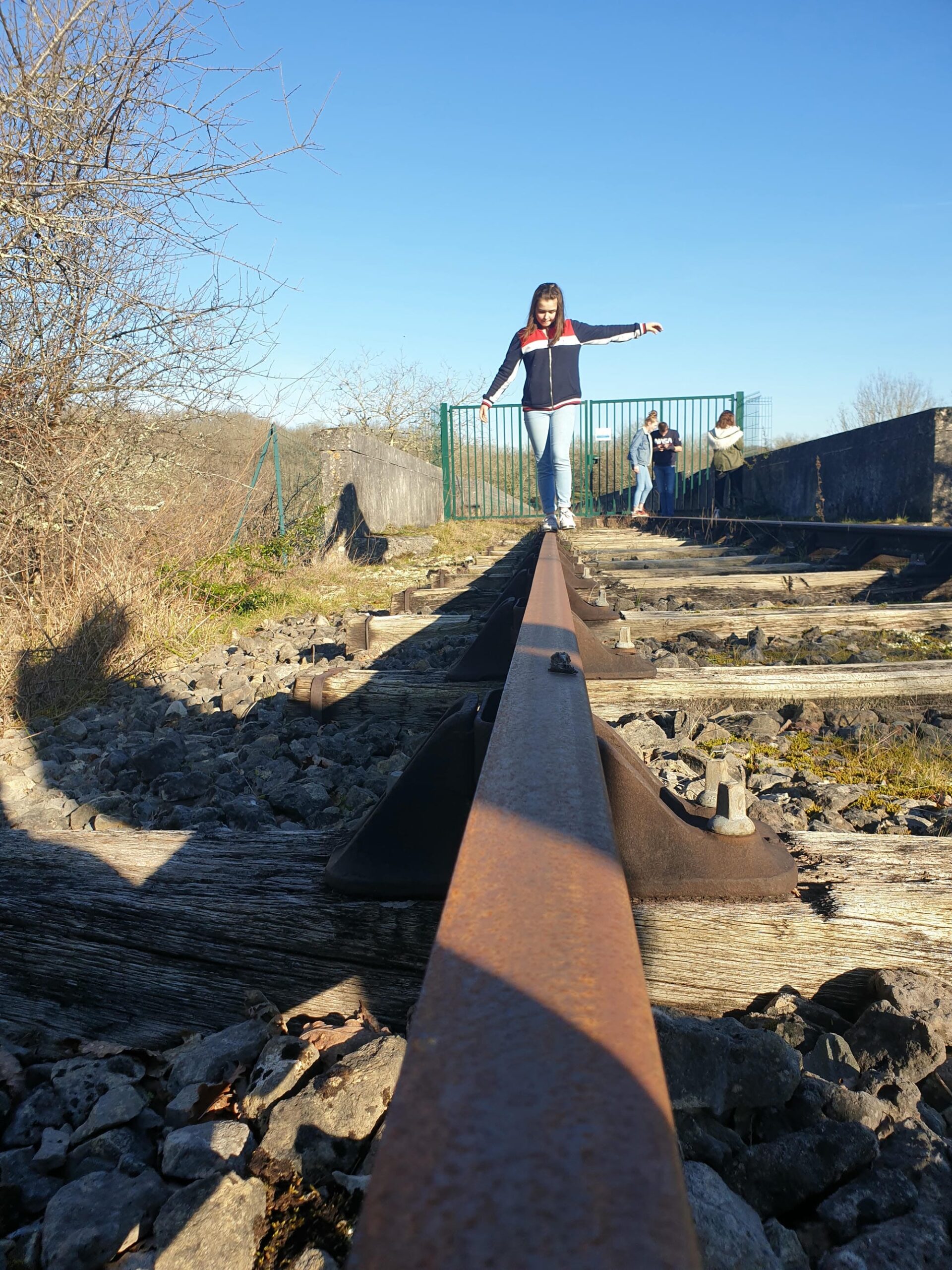
- Rail biking
These trails are officially registered under the Departmental Plan for Walking and Hiking Routes (PDIPR). Detailed guide maps are available at local tourist offices, with some also available at our reception desk.
A mosaic of natural habitats
Heathlands
Once covering up to 32% of the Limousin region in the 19th century, these areas now serve as a sanctuary for remarkable wildlife, including:
- The hen harrier
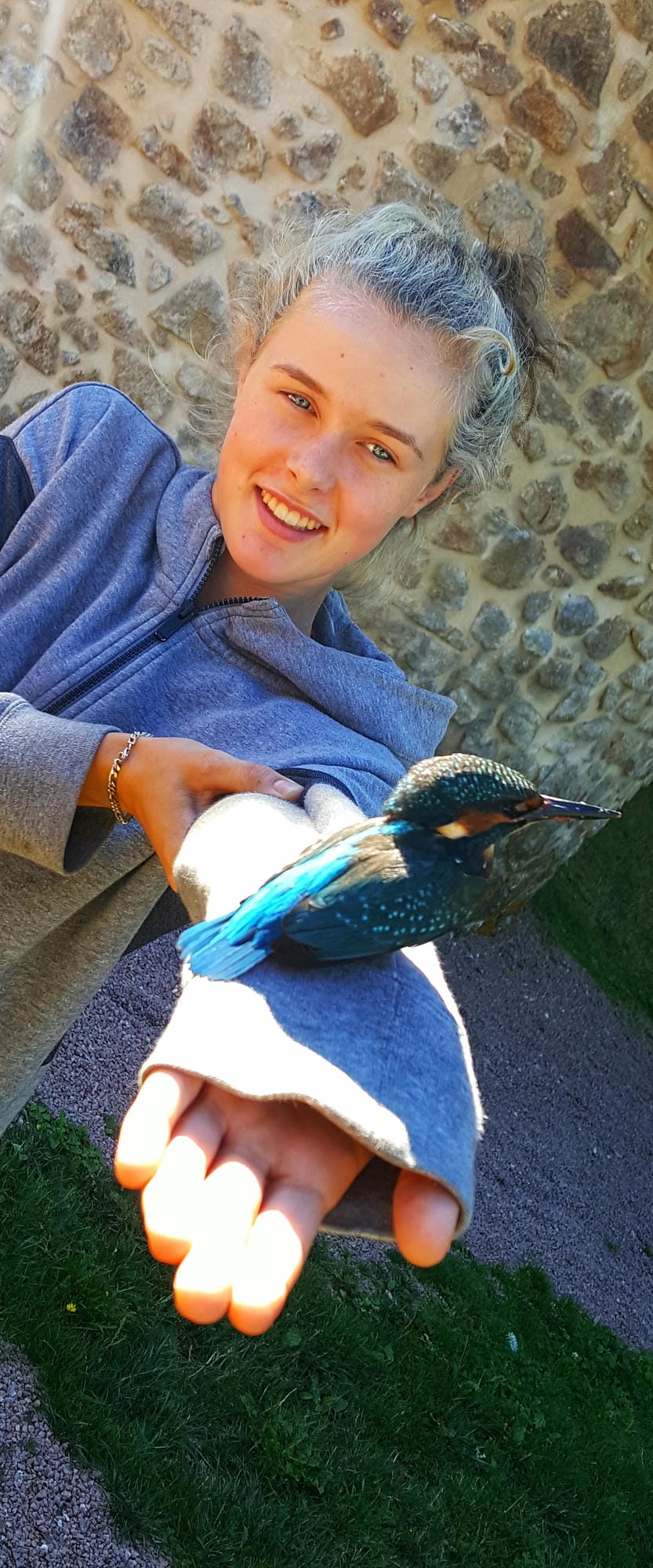
- The common kingfisher
- The European nightjar
- The hoopoe
Wetlands
Covering 2.6% of the Park’s territory, these precious environments consist of four main types:
- Wet meadows
- Megaphorbiaies (riverbank vegetation)
- The damp woodland
- The pond
The forests
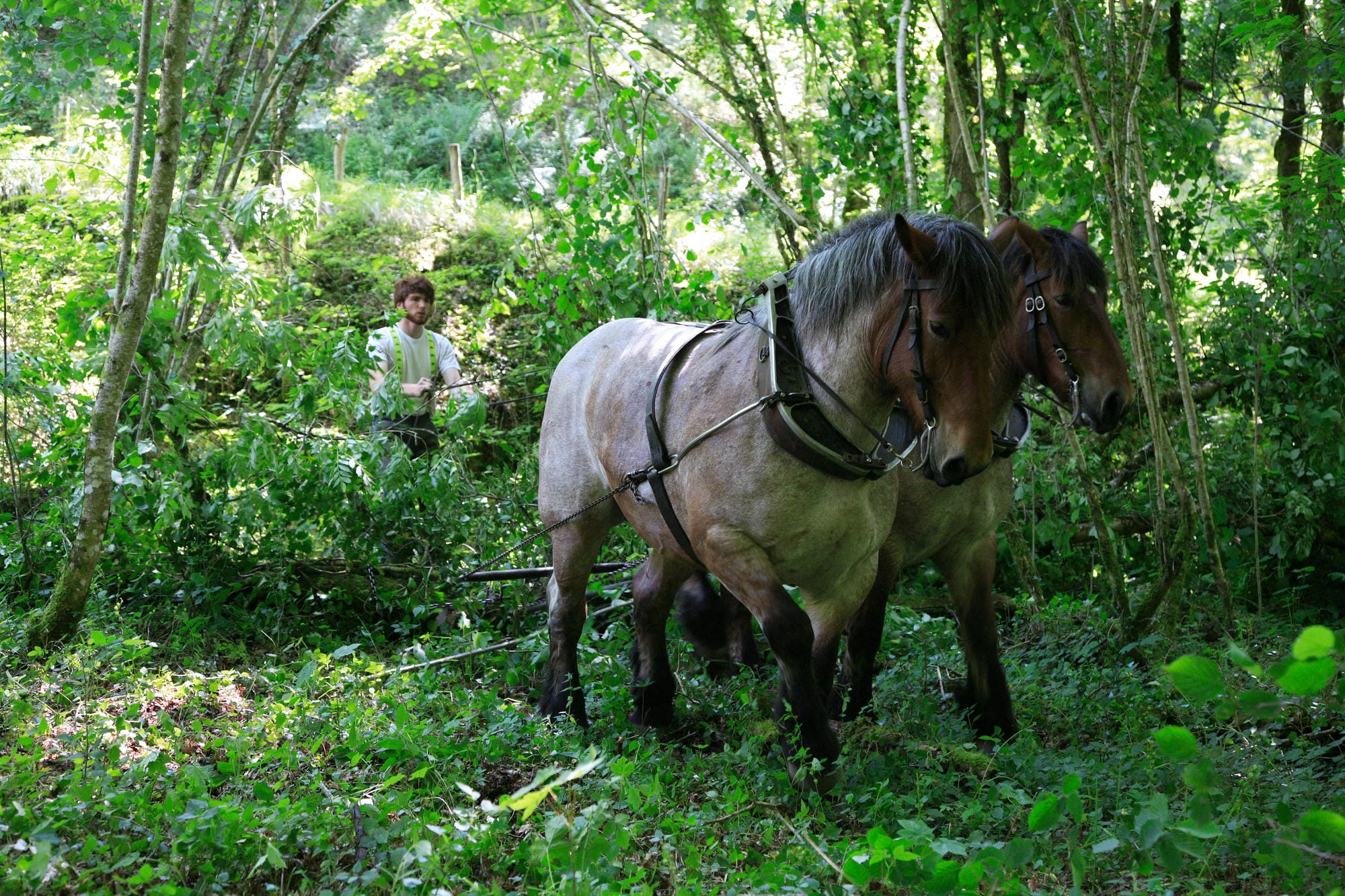
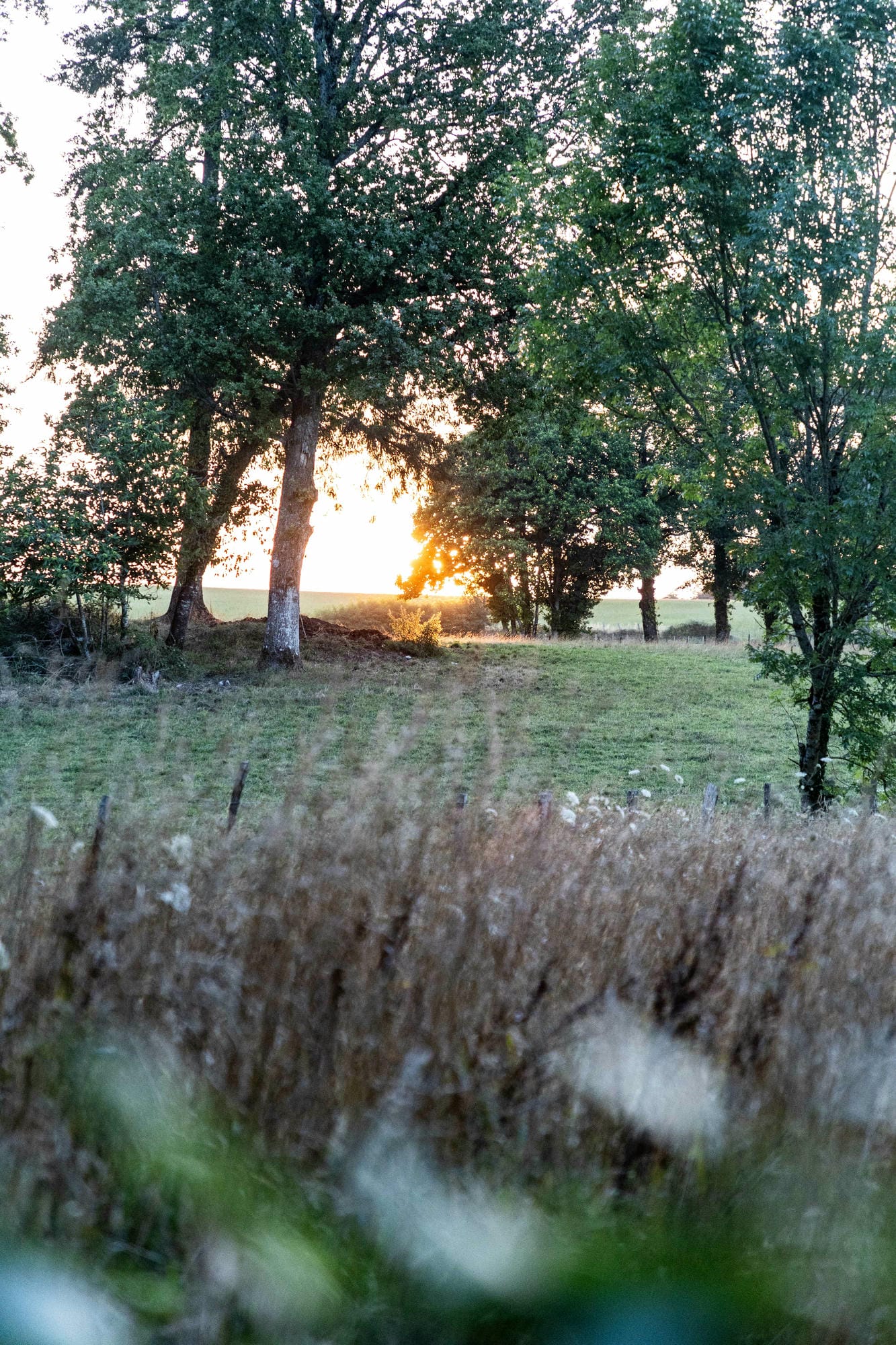
The forest covers 68,000 hectares, or 37% of the Park’s territory, and is primarily composed of deciduous trees (oaks and chestnut trees).
The hydrographic network
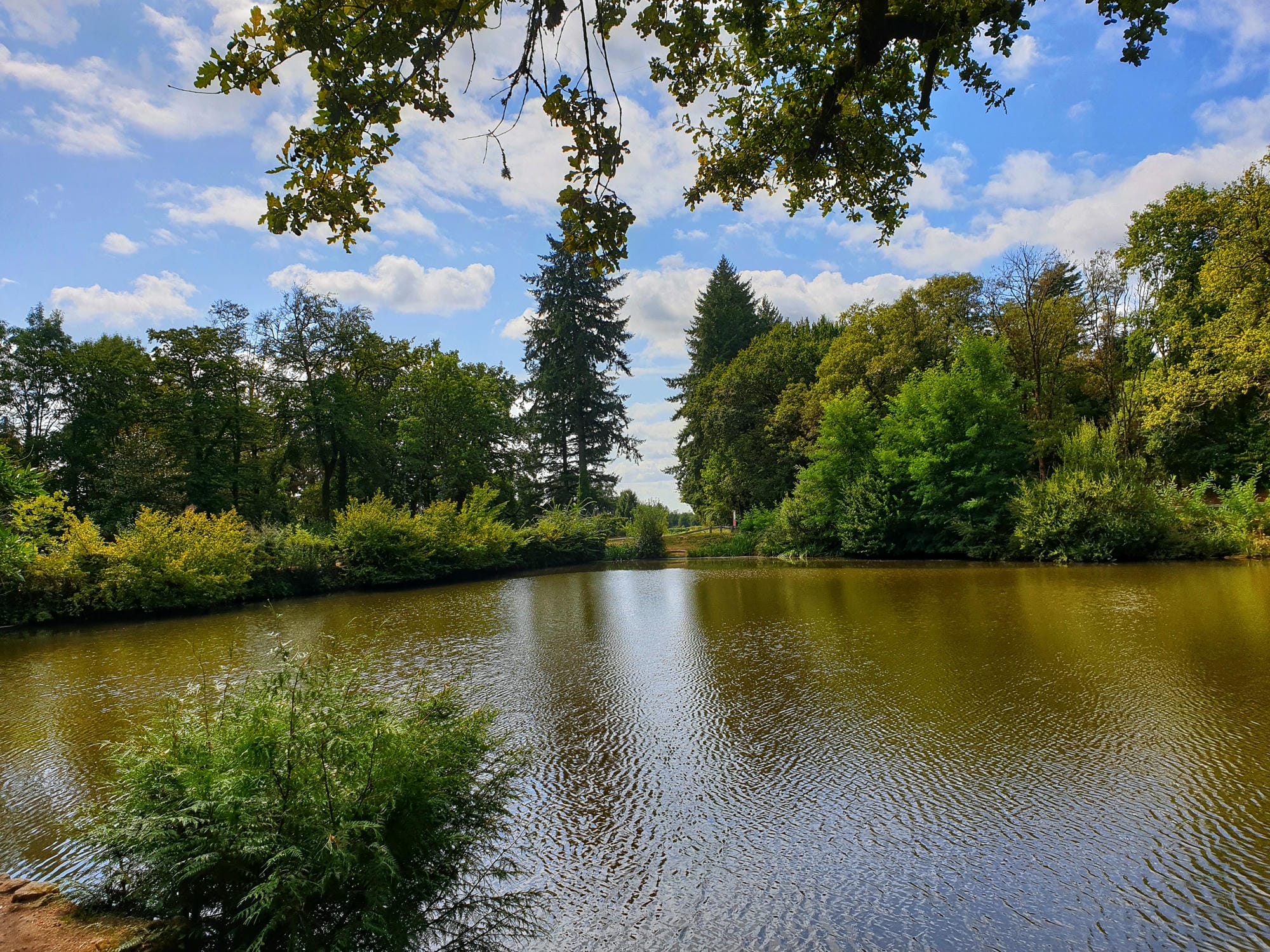
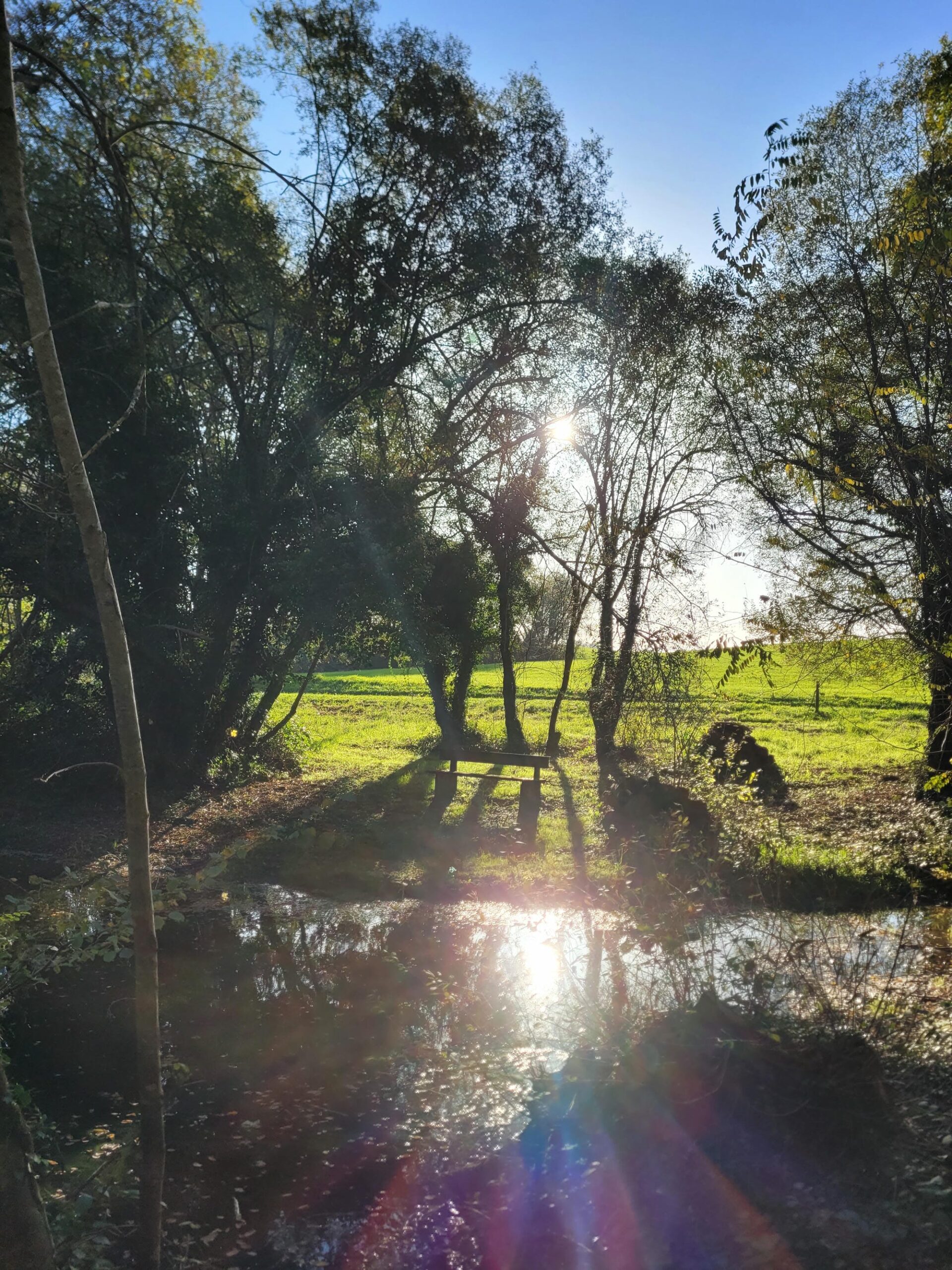
In 2001, there were 4,712 bodies of water covering 2,176 hectares, representing a maximum density of 6 bodies of water per km². These ponds, created as early as the medieval period, were used for:
- Fish farming
- Water retention
- Leisure activities (a more recent use)
Limestone grasslands
Covering approximately 530 hectares, exclusively in the southwestern part of the Park, these grasslands are characterized by:
- Poor and stony soils
- Low vegetation with thorny shrubs (Juniper, Blackthorn)
- A location along the edges of the Belle and Nizonne valleys
Exceptional geological heritage
The Park is home to unique geological treasures:
- The Rochechouart meteorite crater with its impactites
- Veins of gold, quartz, and serpentine
- Kaolin deposits, essential for Limoges porcelain
A rich cultural heritage
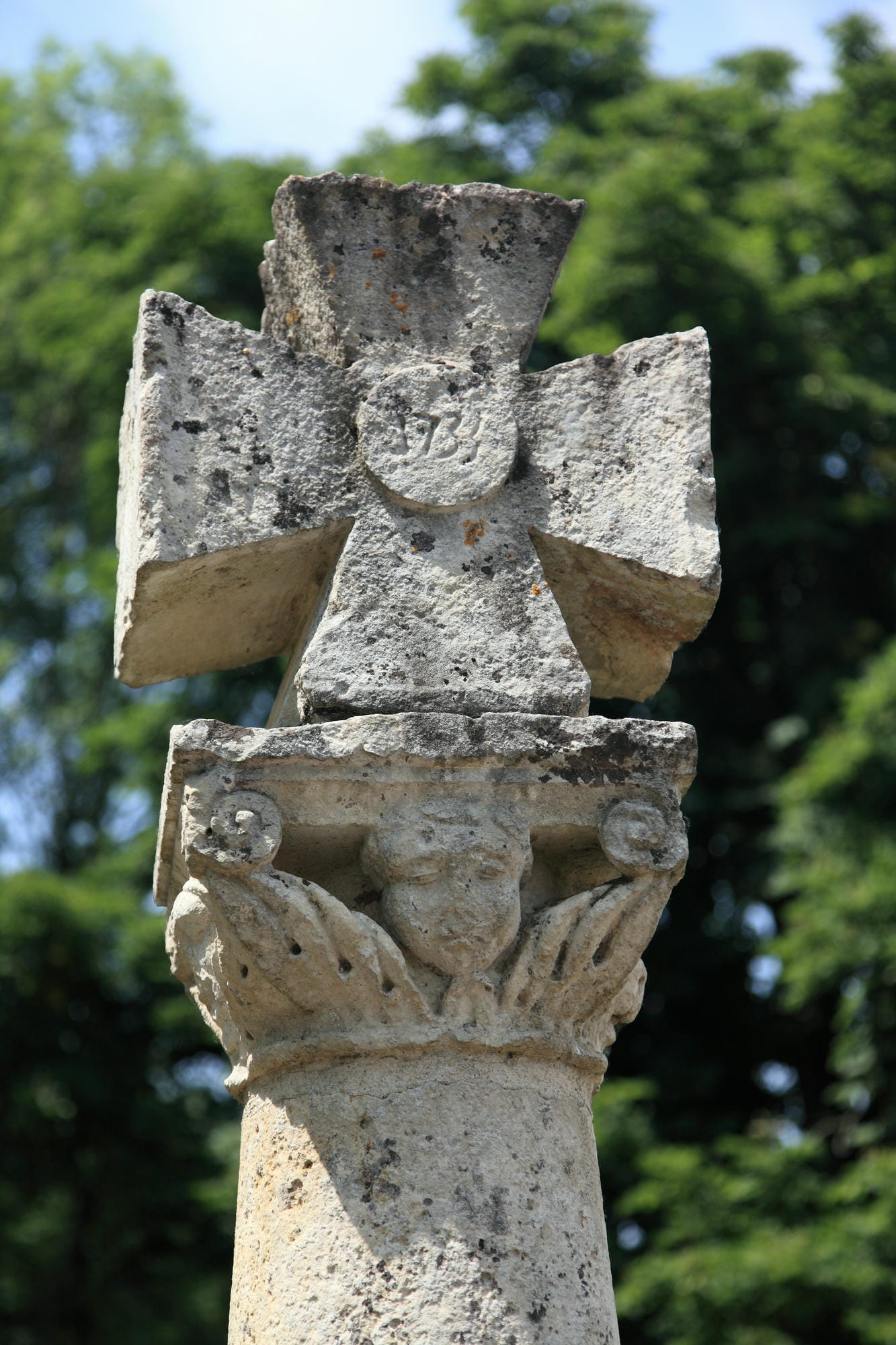
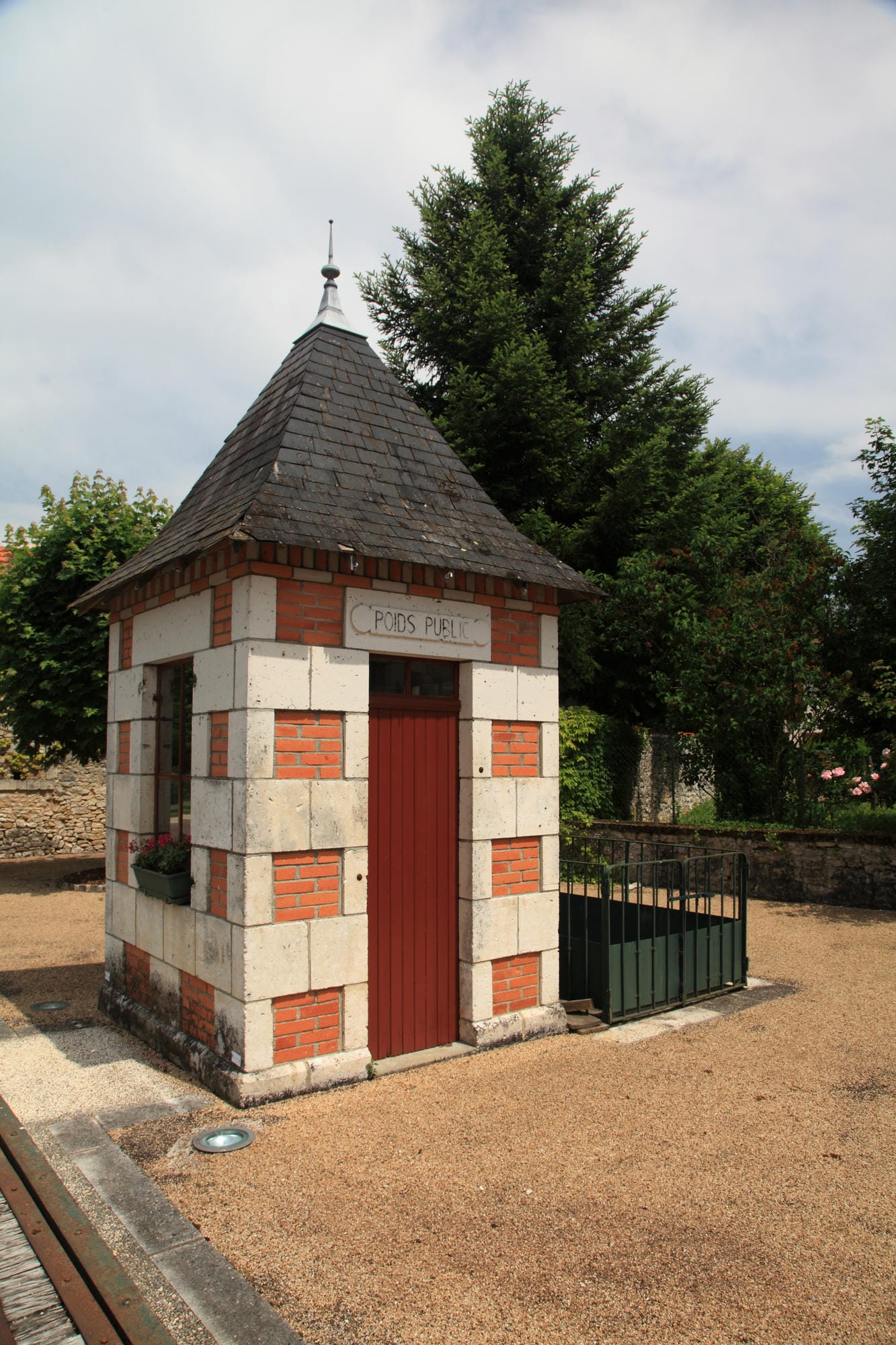
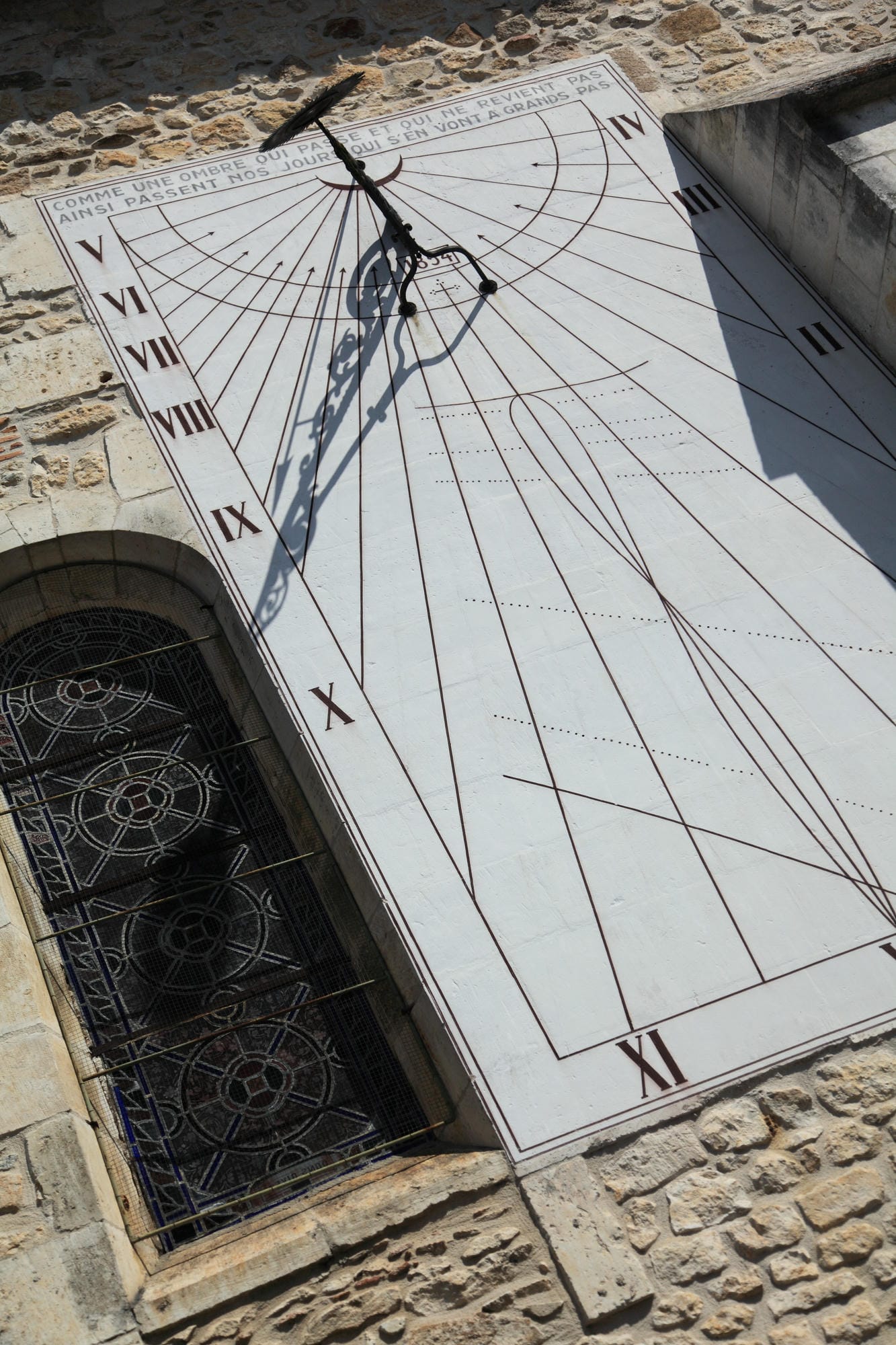
The region is filled with historical landmarks:
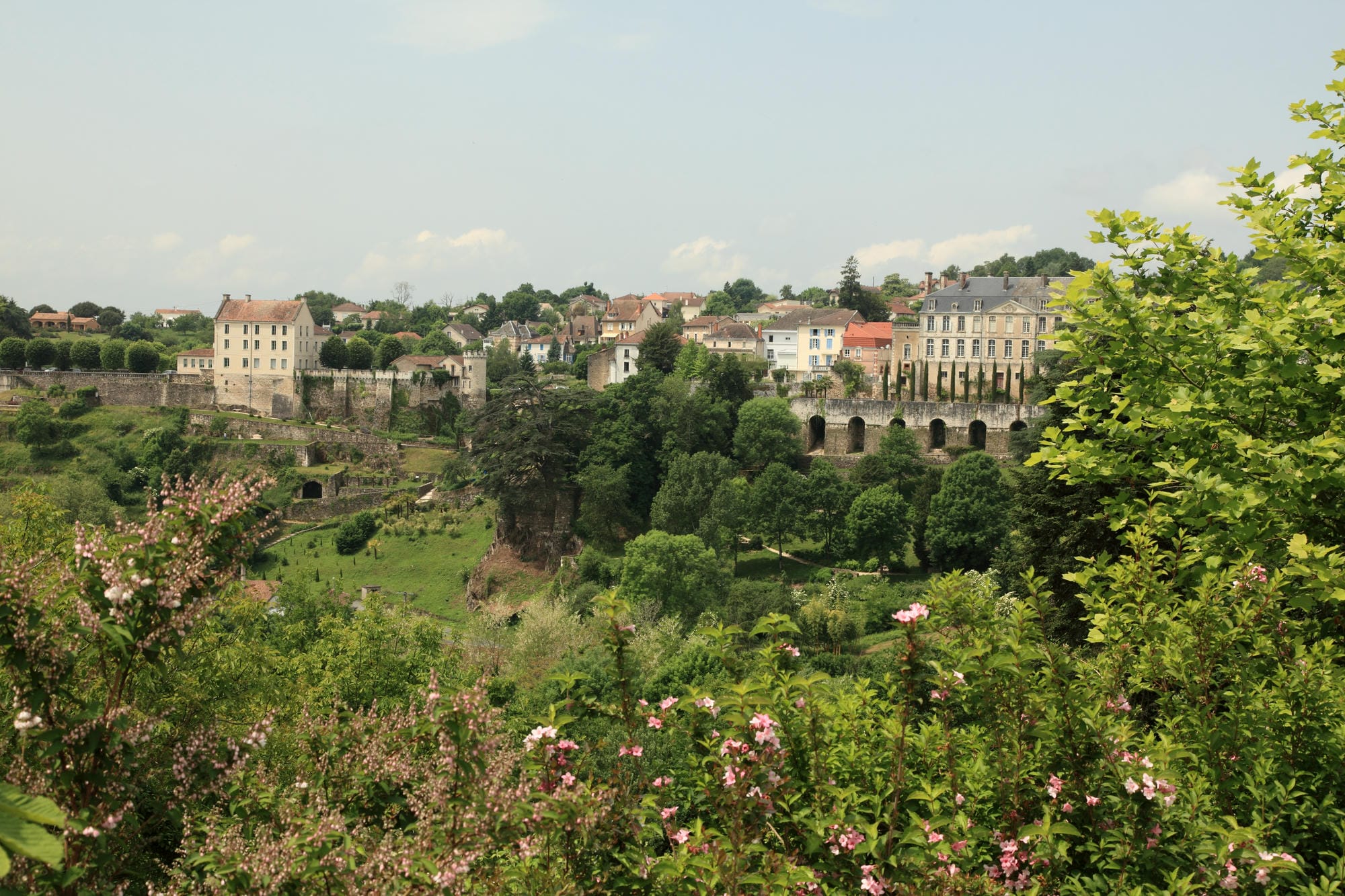
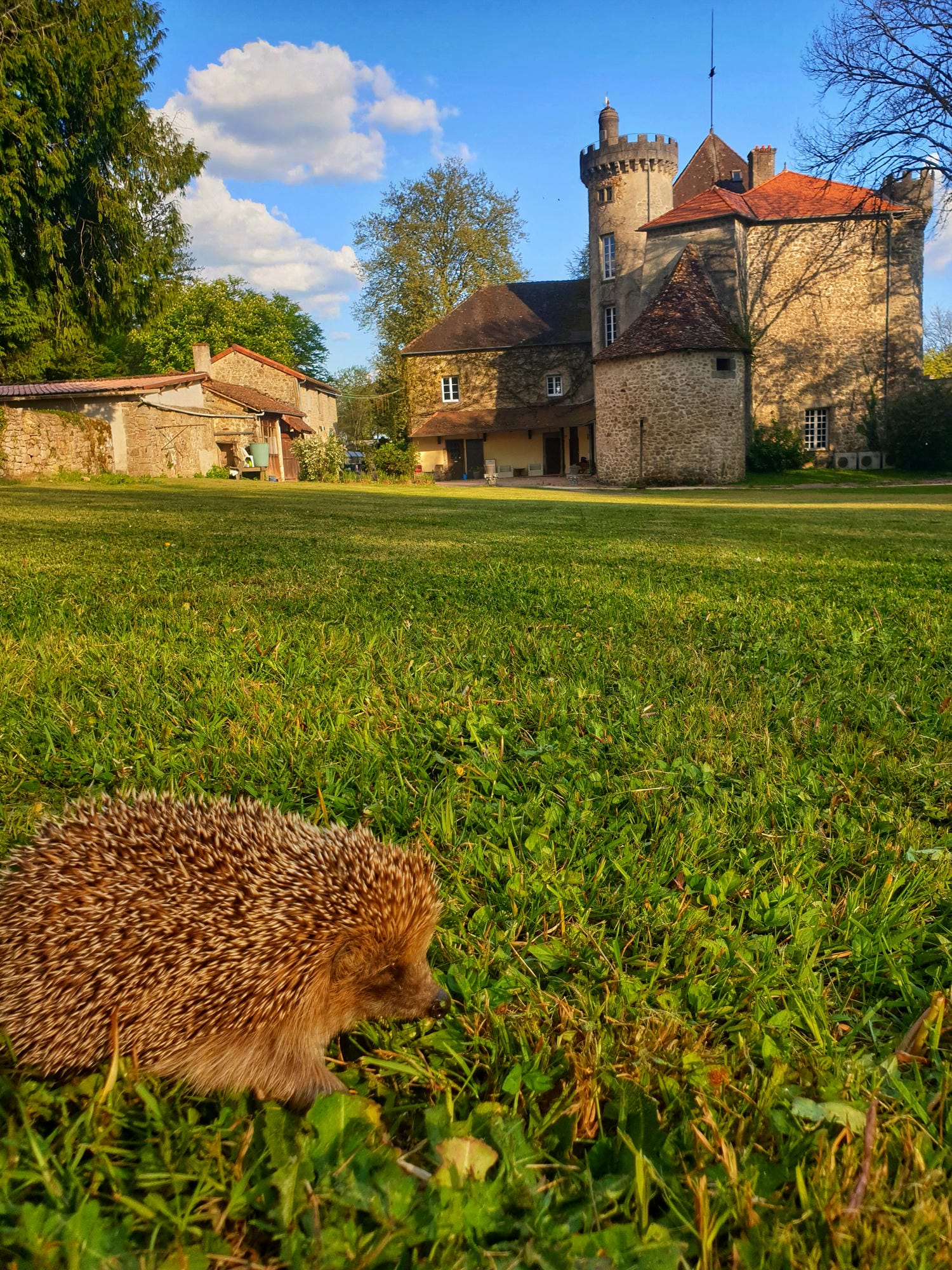
- Châteaux and manors
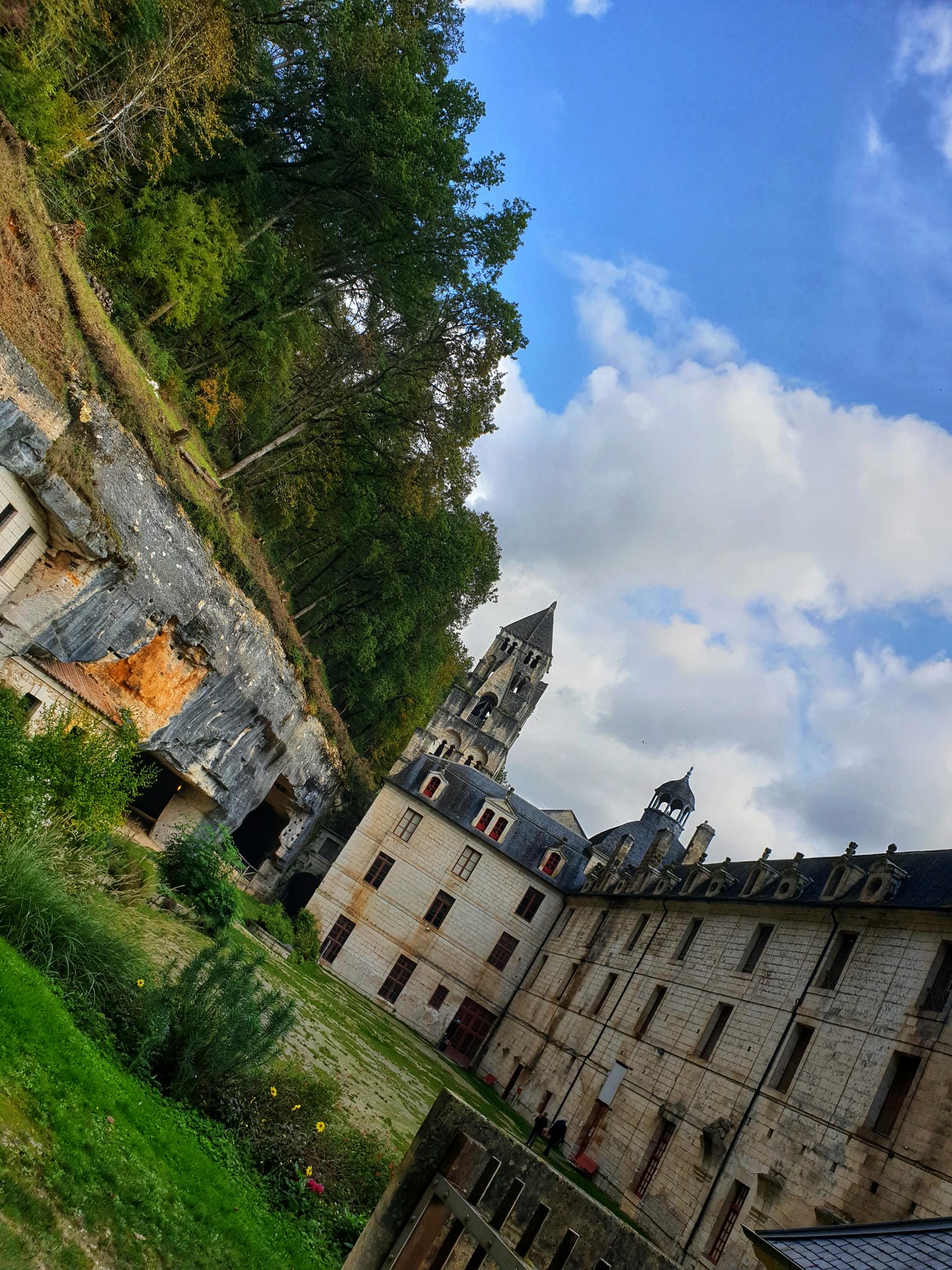
- A remarkable collection of Romanesque churches
- Industrial heritage linked to hydraulic energy
- Hundreds of historical mills and forges
Local products and short supply chains
More than 80 producers offer direct sales within the Park’s territory.
The Park actively supports these producers through:
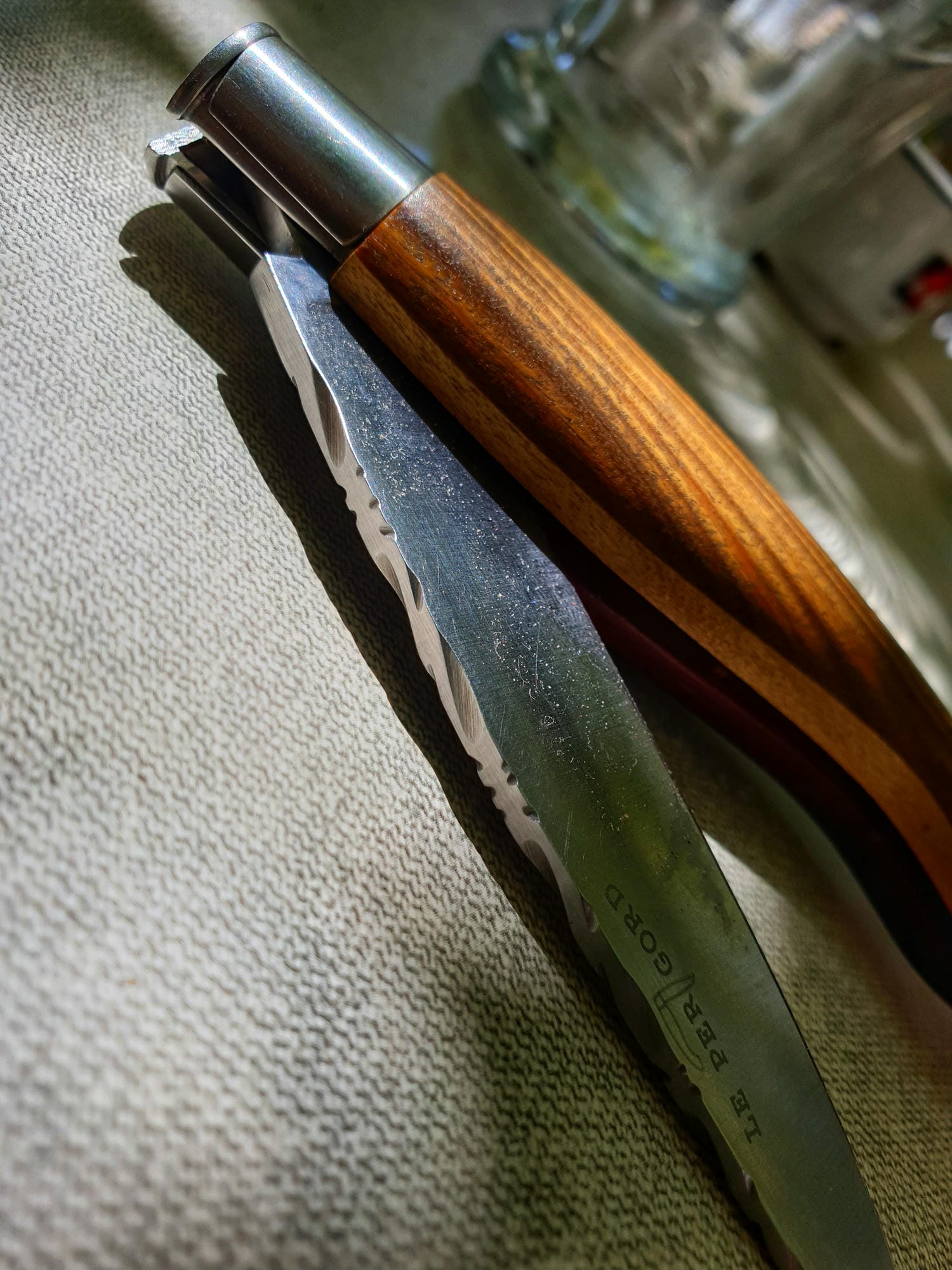
- The organization of producer markets (Knife Festival in Nontron, Truffle Festival in Mareuil)
- Support for the creation of producer-owned shops
- The publication of a directory of producers offering direct sales
The Périgord-Limousin Regional Natural Park invites you to discover its wonders throughout the year. Come and explore this exceptional territory where nature, history, and gastronomy meet in a preserved setting.