

Located 60 kilometers from Château le Verdoyer, Oradour-sur-Glane invites you to a moment of reflection and contemplation in the face of one of the darkest episodes of the Second World War in France. This unique place, where time stopped on June 10, 1944, bears witness to the horror of war and carries a universal message of peace that still resonates today.
It is difficult to imagine, while traversing the delicate, green landscapes of the Limousin, that this peaceful region experienced such a tragedy. A visit to Oradour-sur-Glane, though deeply moving, constitutes an essential journey to ensure we never forget and to pass on the memory of those dark hours of our history to future generations.
The Massacre of June 10, 1944
A Day of Horror
On June 10, 1944, just days after the Allied landings in Normandy, as French Resistance activities multiplied, a Waffen SS division of the Das Reich, commanded by General Lammerding, decided to make an example. The peaceful village of Oradour-sur-Glane was chosen to become the setting for a massacre of absolute barbarity.
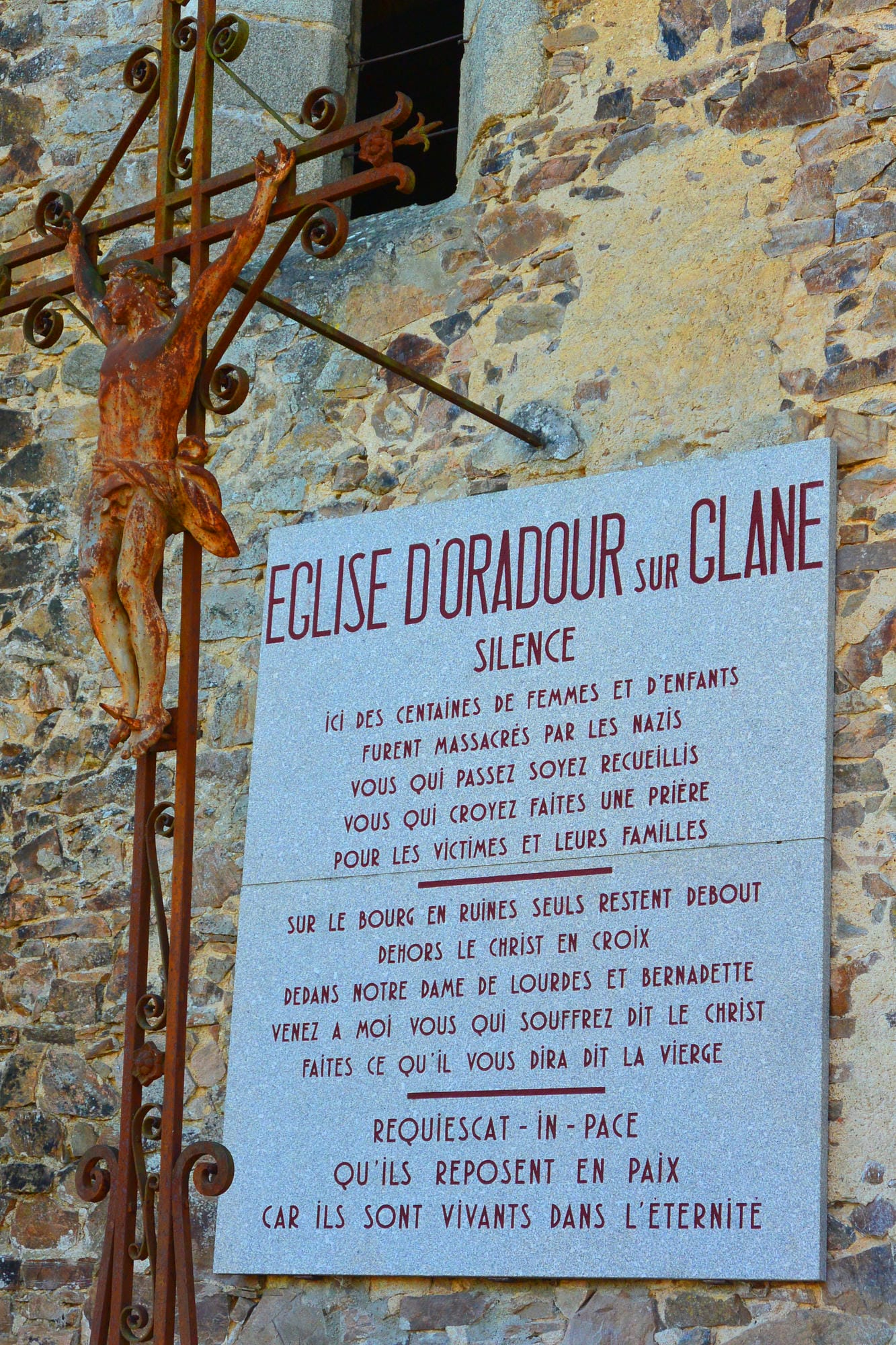
Within a few hours, 642 people were shot or burned alive. The men were gathered and executed in barns and garages, while the women and children were locked in the church, which was then set on fire. The SS returned the next day to complete the work of destroying the buildings and the bodies. The entire village was reduced to ashes: 328 homes disappeared in the flames.
The Preservation of the Ruins
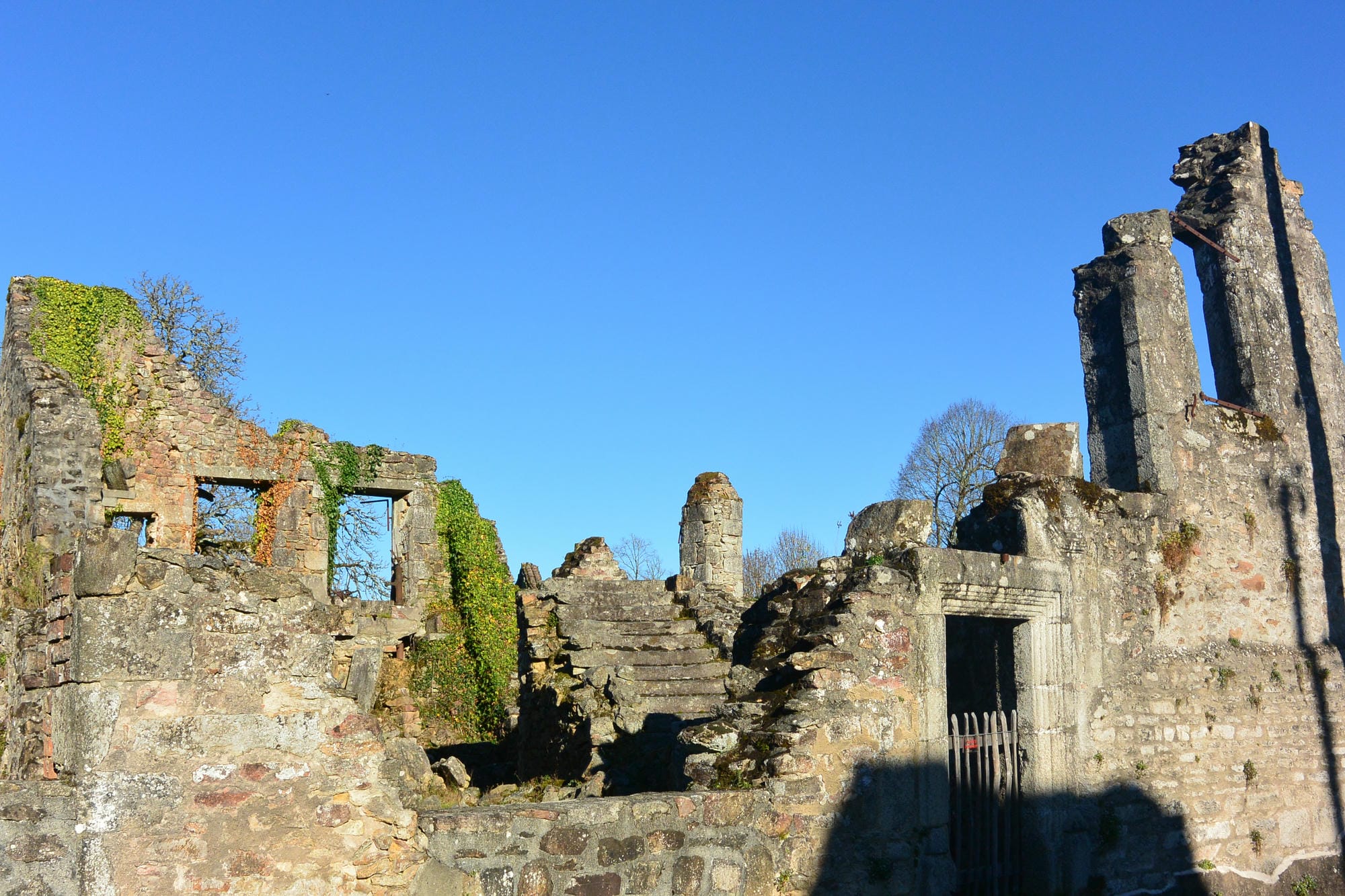
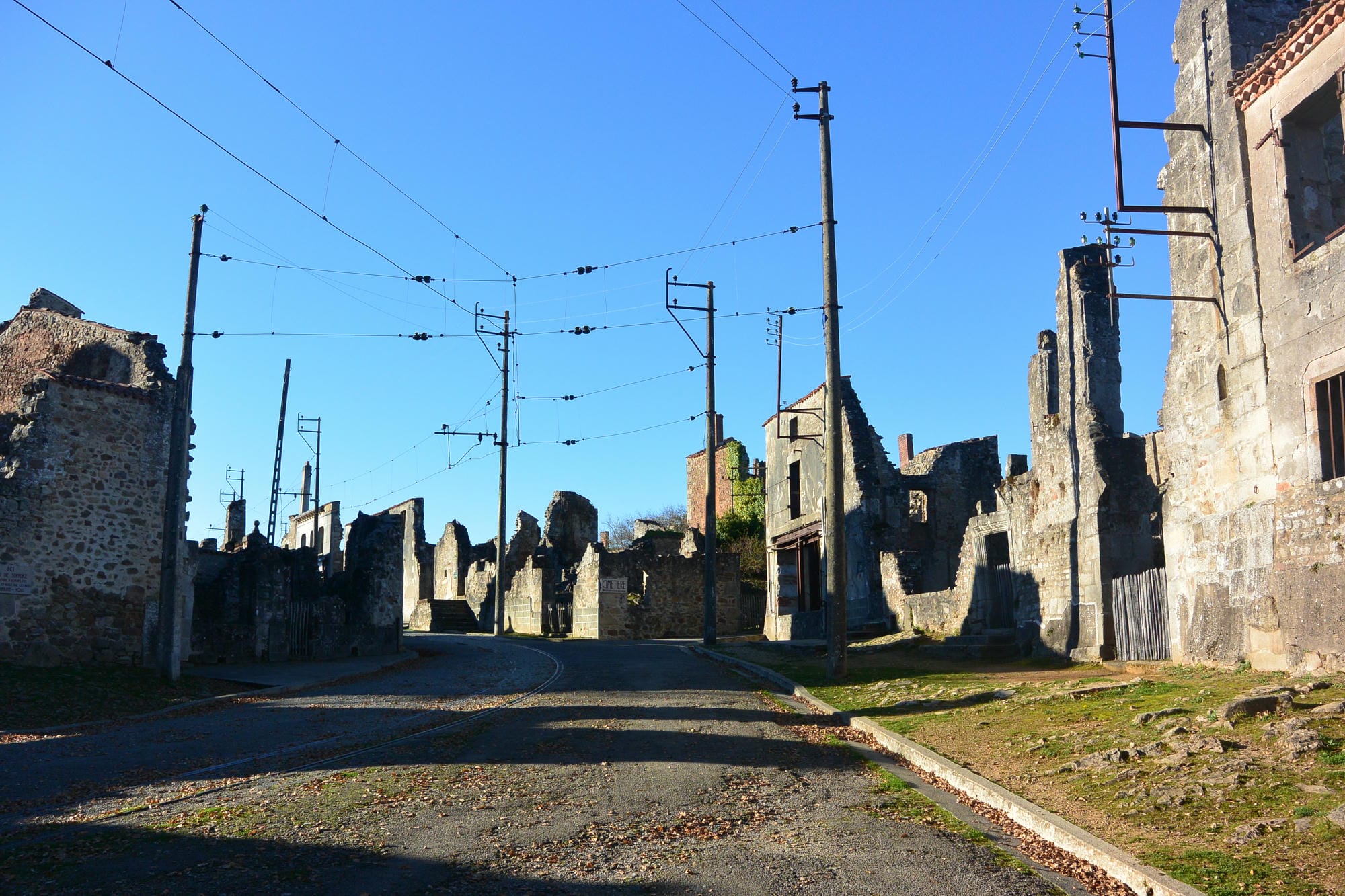
As early as the summer of 1944, a crucial decision was made: the martyr village would remain in ruins, exactly as it was on that tragic day in June 1944. This commitment to preserving the site intact aims to honor the memory of the victims and ensure that this terrible tragedy is never forgotten. The ruins were classified as historic monuments in 1946.
General de Gaulle himself came to meditate at the site on March 5, 1945, thereby sealing the destiny of this village, which would become a sanctuary of national memory.
The Centre de la Mémoire (Memorial Centre)
An Essential Visit
Built in 1999, the Centre de la Mémoire (Memorial Centre) is now the only access point to the ruins of the martyr village. This contemporary building, featuring symbolic architecture, prepares visitors before they discover the site, offering them the chance to understand the context of the massacre, trace its events, and reflect on the ideological logic that led to its implementation.
The historical exhibition covers 20 years of history, from 1933 to 1953, spanning the rise of Nazism to the national recognition of Oradour. The tour contextualizes the narrative of the Second World War through the presentation of accounts, testimonials, slideshows, and historical documents.
The Centre de la Mémoire is intended to bear witness, inform, and provoke reflection, all while preserving a universal message of remembrance and peace. It also conducts research, supported by a documentation center rich in archives, and assists students and teachers through a dynamic educational service.
Important Information: Temporary Closure
Visiting the Martyr Village
A Moving Journey
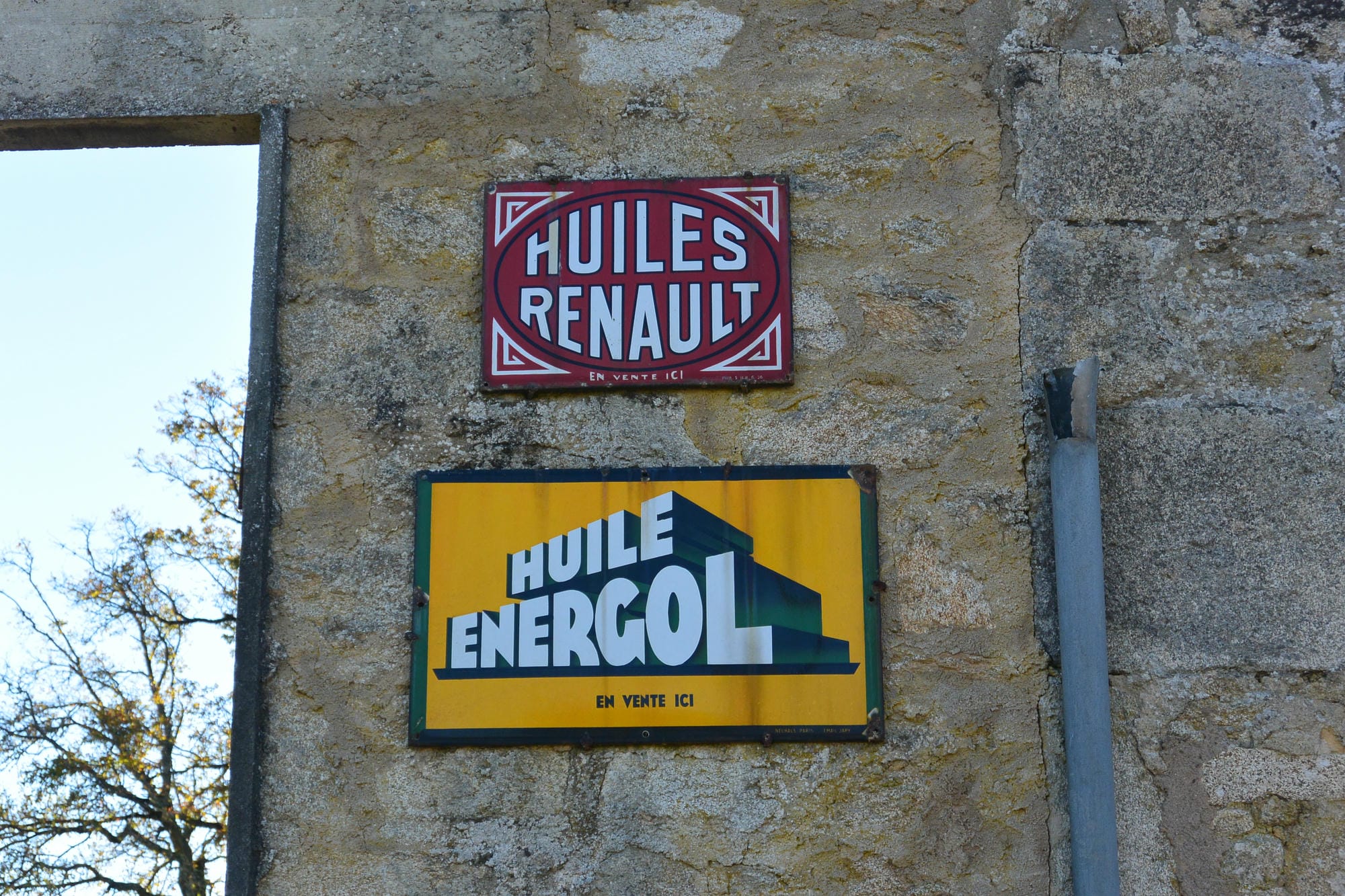
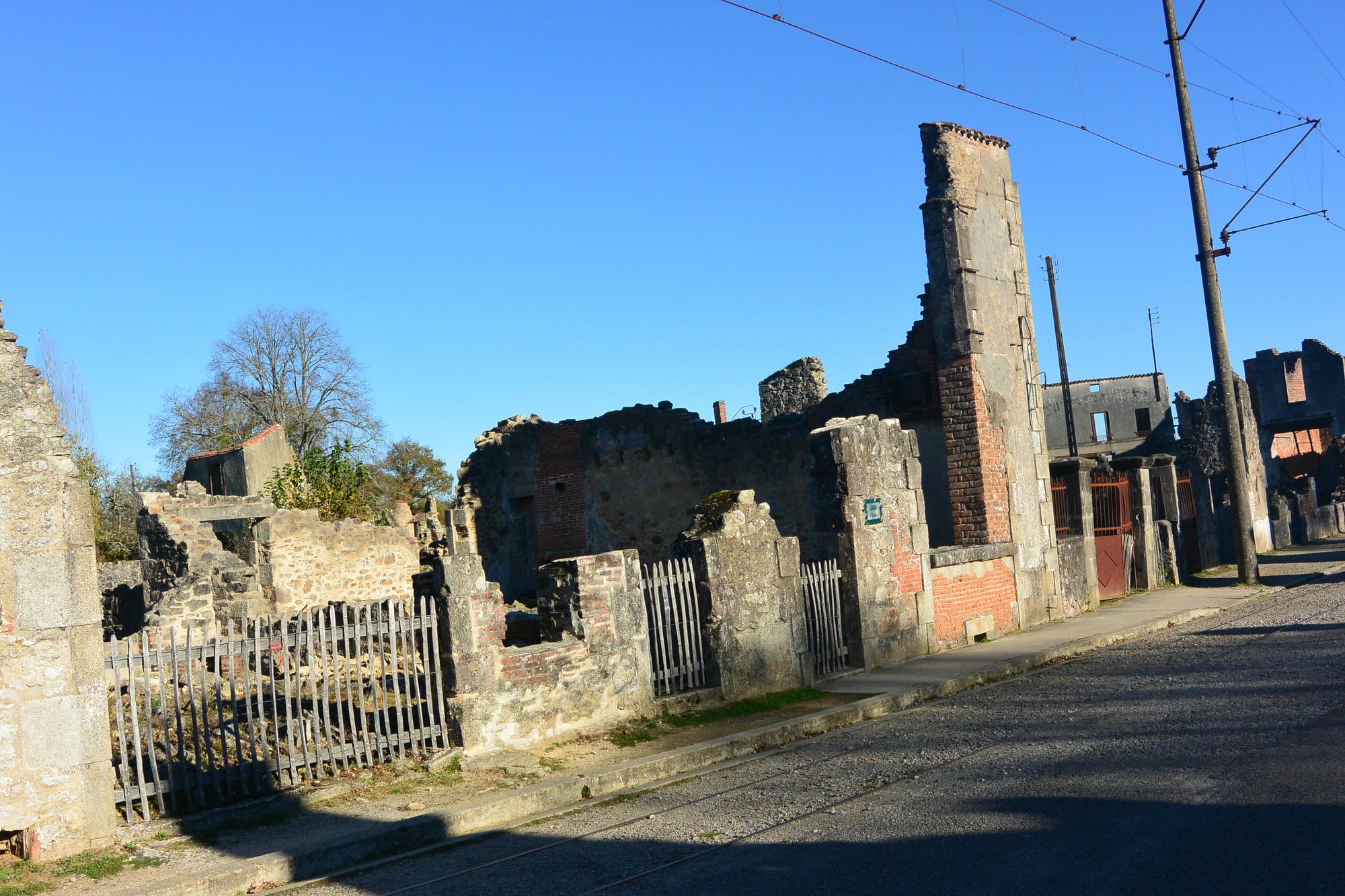
Visits to the ruins of the martyr village are self-guided and remain free. You wander through ghost streets where gutted facades, burnt-out cars, everyday utensils, and tram rails silently tell the story of the peaceful life that unfolded here before the tragedy.
The silent church, where so many perished, stands as a poignant symbol of this tragedy. The blackened walls and objects frozen in time all testify to the unheard-of violence that struck this innocent village.
Guided Tours
Guided tours of the martyr village are offered daily, with several time slots available each day. These visits allow for a deeper understanding of the events and historical context. Online booking is mandatory as the number of places is limited. The fee includes access to the Centre de la Mémoire exhibitions (when they are open).
Duration of the Visit
Allow approximately 2 hours to visit the entire site: 45 minutes to 1 hour 30 minutes for the martyr village and about 1 hour for the Centre de la Mémoire (outside of closure periods).
The New Town of Oradour-sur-Glane
The Rebirth of a Village
Following the decision to preserve the ruins, the question of reconstructing the village arose as early as 1944. On November 28, 1944, the Council of Ministers, driven by Adrien Tixier, the Minister of the Interior, decided to rebuild a new village while preserving the old one.
A law, voted on without debate and promulgated on May 10, 1946, established the framework for the reconstruction of the town, entirely at the expense of the State. The new village was built immediately west of the ruins, with the two churches, old and new, separated by only about 500 meters.
The foundation stone of the new village was laid by the President of the Republic, Vincent Auriol, on March 5, 1949. The first completed building in 1949 housed a café-grocery store, followed progressively by the town hall, the school, the post office, and about fifteen homes for families. The new church was completed in the summer of 1953.
At the beginning of the 21st century, the new town spans approximately 70 hectares and continues its development, symbolizing life reclaiming its place while honoring the memory of those who perished.
Practical Information
Opening Hours
The martyr village is accessible 7 days a week, from 9 a.m. to 6 p.m., from January 15 to December 15 (last entry one hour before closing).
Prices
Self-guided visits to the martyr village are free. Access to the Centre de la Mémoire exhibitions is subject to a charge: €7.80 for the full rate, €5.20 for the reduced rate (students, youths aged 10 to 18, veterans), and a family package at €22 (2 adults + 2 children or more).
Guided tours of the martyr village, including access to the exhibitions, are available starting from €7.
Tips for Your Visit
It is highly recommended that you start with the Centre de la Mémoire (when open) to understand the historical context before exploring the village ruins. The visit is moving and requires a respectful attitude appropriate for this memorial site.
In case of unfavorable weather conditions (storms, intense heat), certain guided tours may be canceled for safety reasons, but self-guided visits remain possible.
A Universal Message of Peace
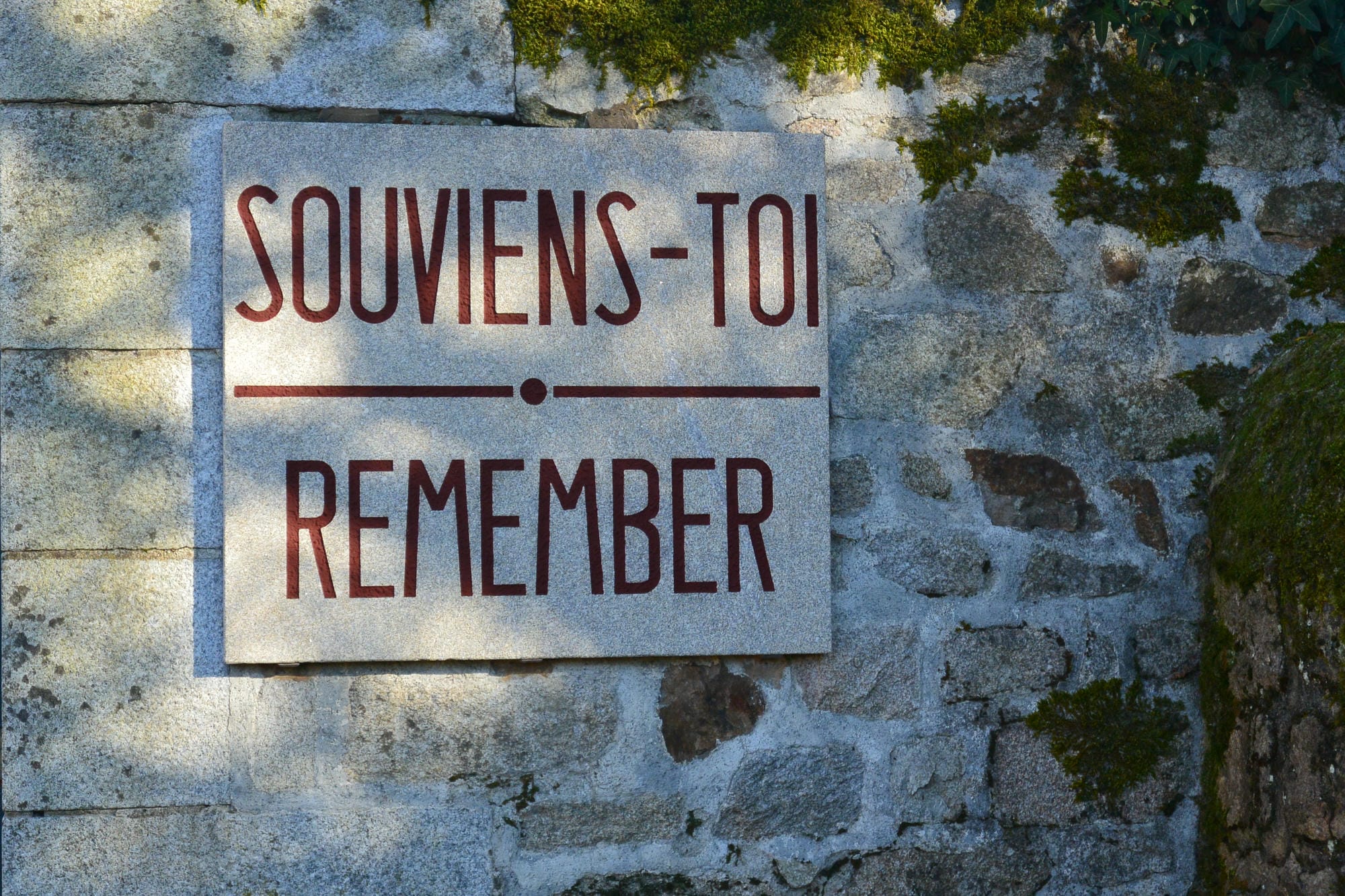
Oradour-sur-Glane is not just a place of sorrow and contemplation. It is also a powerful message addressed to present and future generations: one of refusing barbarity, of the necessity of remembrance, and of the hope for a world of peace.
Visiting this site, laden with history and emotion, allows us not to forget the dark hours of our past and to transmit the values of tolerance and respect for human life to the younger generations.
For more information:
- Official Website: www.oradour.org
- Phone: +33 5 55 43 04 30